Tag: children

  • Go outside – Nature heals

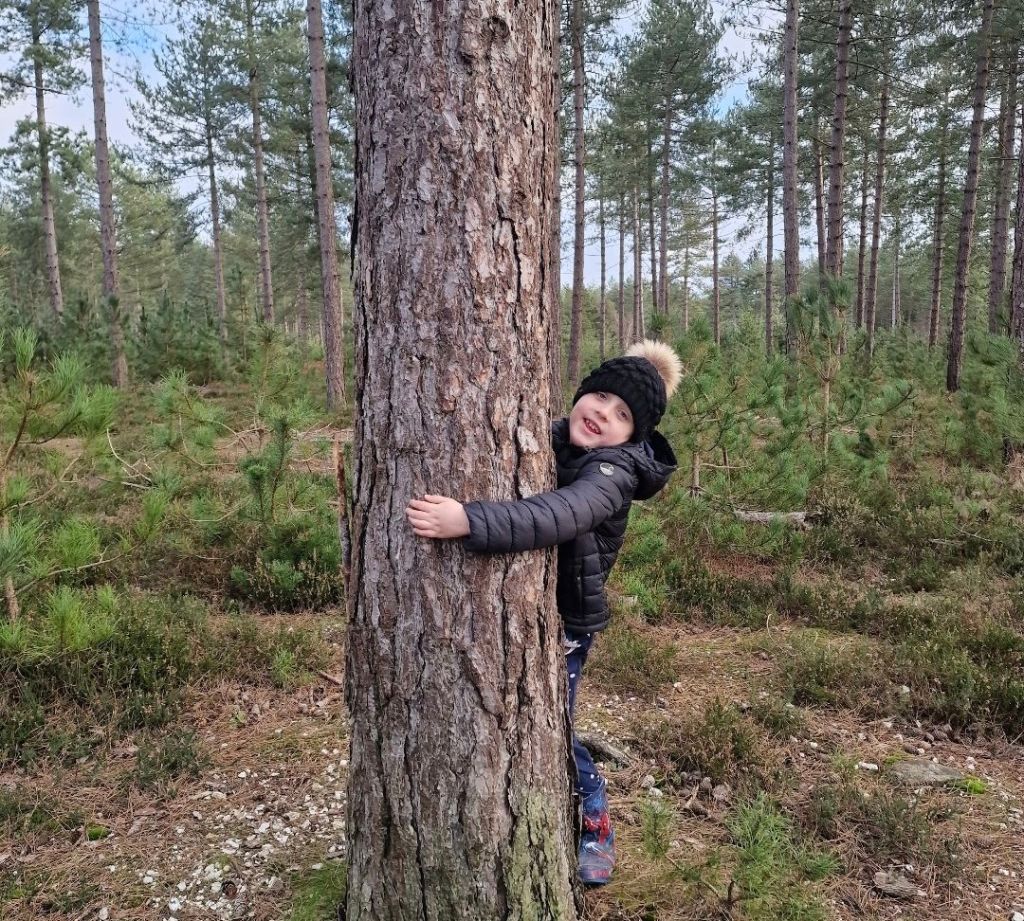
    Go outside – Nature heals

    We aren’t wired to sit inside all day.

    As humans, we need sunlight on our skin, fresh air in our lungs, the rustle of trees and the sound of birdsong. These things aren’t luxuries—they’re essential.

    Time outdoors brings us back to ourselves. It grounds us, steadies our thoughts, and reminds us that we’re part of something bigger. Quite simply, nature helps us feel human again.

    Why the Outdoors Matters for Our Health

    Spending time outside doesn’t just feel good—it has real, measurable benefits for both our mental and physical wellbeing. Here’s why:

    Boosts mood and reduces stress – Exposure to natural light helps regulate our circadian rhythms and increases serotonin levels, which can improve mood and reduce anxiety. Even a short walk outdoors can lower cortisol (the stress hormone).

    Improves focus and mental clarity – Nature gives our overstimulated minds a break. Studies show that time in green spaces can improve concentration, creativity, and even memory—for both adults and children.

    Supports physical health
    Fresh air and movement go hand in hand. Whether it’s walking, climbing, or simply exploring, being outdoors encourages gentle exercise, supports heart health, and can improve sleep quality (meaning the little sleep that parents and children do get, is more restorative).

    Strengthens the immune system – Exposure to natural environments—especially woodland areas—has been linked to improved immune function, thanks to cleaner air and beneficial plant compounds. So there’s no harm in letting your little ones dig around in the mud collecting sticks and stones!

    There’s also something powerful about physically connecting with nature. Touching soil, trees, and plants isn’t just sensory—it can trigger real chemical responses in the body. Soil contains a natural microorganism called Mycobacterium vaccae, which research suggests can stimulate the release of serotonin, helping to lift mood and promote a sense of calm. Similarly, contact with plants and trees exposes us to natural oils and compounds—often called phytoncides—that have been linked to reduced stress levels and improved immune function. Even something as simple as walking barefoot on grass or running your hands through leaves can help regulate the nervous system, lowering stress and creating a feeling of balance.

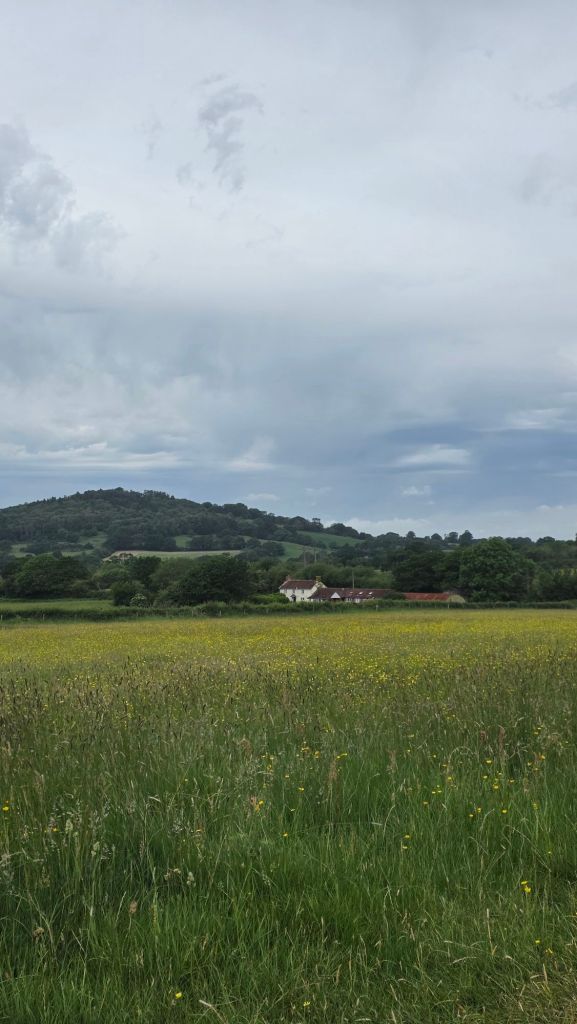
    Living in the New Forest National Park, we’re incredibly lucky to have nature right on our doorstep. Long woodland walks, open skies, and winding trails are part of our everyday life. We spend hours wandering, noticing the seasons change, and letting the children explore freely. But I know that not everyone has access to forests or open countryside—and that’s okay. There are other ways to enjoy the outside no matter where you live.

    How to Bring the Outdoors to You

    Even if you live in a city or don’t have easy access to green spaces, there are simple ways to recreate those benefits wherever you are:

    Create a mini green space at home – Add plants to your home, balcony, or garden. Even a few pots of herbs or flowers can make a difference. Caring for plants can be calming and grounding in itself.

    Prioritise natural light – Open curtains, sit near windows, or take breaks outside during the day. Morning sunlight in particular helps regulate sleep and boost energy levels.

    Bring nature to your routine – Walk a different route to school, visit a local park, or spend time outside after dinner. Small, consistent moments outdoors add up.

    Engage your senses – Play nature sounds, light a natural candle, or use essential oils like pine or eucalyptus. It might sound simple, but sensory cues can help mimic the calming effects of being outdoors.

    Slow down and notice – Whether it’s watching clouds, listening to birds, or feeling the wind, take a few minutes to be present. Nature isn’t just a place—it’s a mindset we can access anywhere.

    Why the Outdoors is So Important for Children

    Children are naturally drawn to the outdoors—it’s where their curiosity thrives. Giving them time outside isn’t just beneficial, it’s vital for their development. Here’s why:

    Encourages imagination and creativity – Nature doesn’t come with instructions. A stick becomes a wand, a den, or a fishing rod. Outdoor play sparks creativity in ways screens simply can’t.

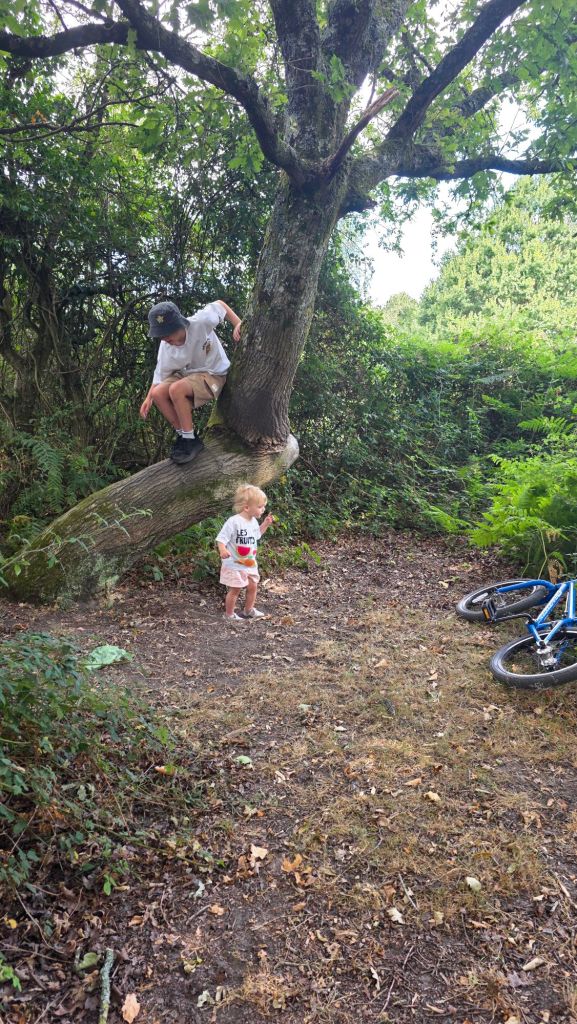
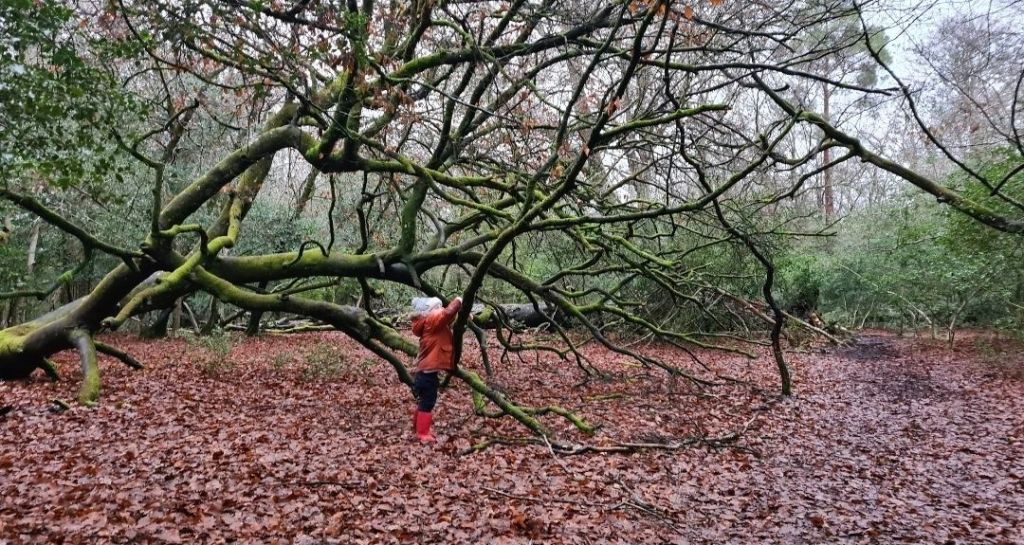
    Builds confidence and resilience – Climbing trees, navigating uneven ground, and exploring new spaces help children learn their limits, solve problems, and build independence.

    Supports emotional wellbeing
    Time outdoors can reduce anxiety, improve mood, and help children regulate their emotions. It offers space to breathe, move, and simply be.

    At its heart, spending time outdoors isn’t about grand adventures or picture-perfect days. It’s about small, meaningful moments—muddy boots, rosy cheeks, shared laughter, and quiet pauses under open skies.
    Wherever you are, there’s always a way to step a little closer to nature.

    And sometimes, that’s exactly what we need.

    Further Reading & Sources –

    Research has shown that a natural soil bacterium (Mycobacterium vaccae) may help boost serotonin levels and support mood regulation.
    (Lowry et al., 2007)

    Studies on “forest bathing” have found that trees release natural compounds (called phytoncides) which can reduce stress and support the immune system.
    (Li, 2010)

    Large reviews of multiple studies confirm that regular access to green space is associated with better physical and mental health.
    (Twohig-Bennett & Jones, 2018)

    Spending time in nature has been linked to reduced stress, lower anxiety, and improved mental wellbeing.
    (Bratman et al., 2015)

    Time outdoors can also improve focus, memory, and overall cognitive function.
    (Berman, Jonides & Kaplan, 2008)

    Even simply seeing natural environments has been shown to support healing and recovery.
    (Ulrich, 1984)

  • Screen free – Family time

    Screen free – Family time

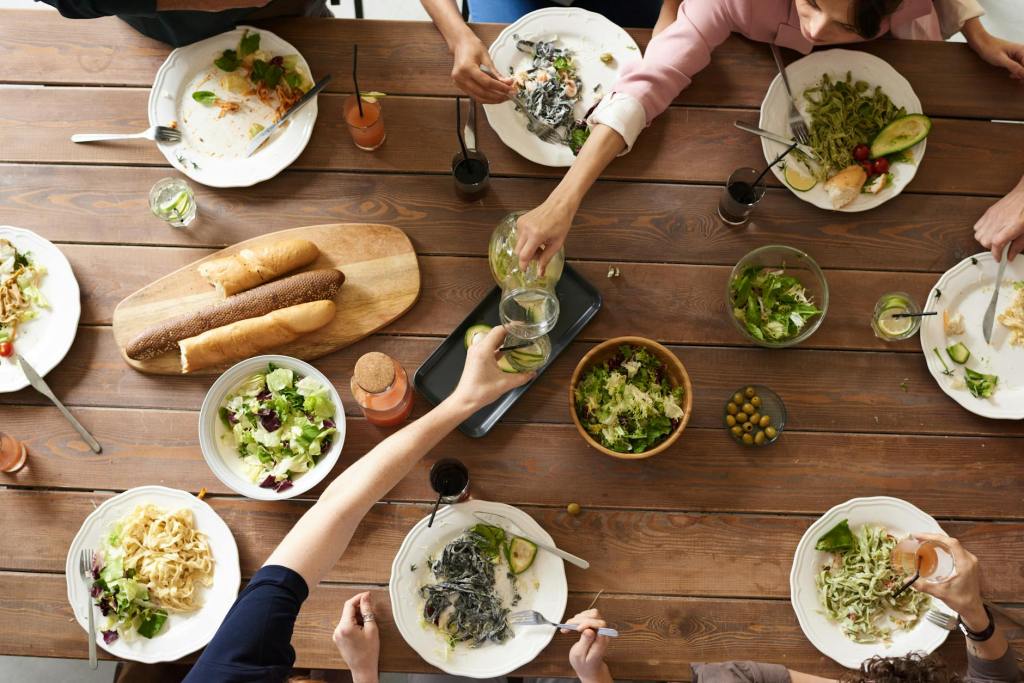
    If you’ve ever sat in a restaurant, looked around, and noticed how many little faces are lit up by screens instead of conversation—you’re not alone. It’s become the norm, hasn’t it? And with the UK government recently introducing new guidance around children’s screen use, it’s clearly something many of us are thinking about. The advice suggests no screen time at all for children under two (aside from things like video calls), and limiting it to around an hour a day for those aged two to five. It also encourages families to avoid screens during meals and instead focus on interaction—talking, playing, and spending time together. And honestly, that part really resonates with me. Time spent at the table with my family is precious to me.

    We’re deep in the digital age. Our children are surrounded by screens whether we like it or not. At home, at school, and almost everywhere in between, as well as seeing adults glued to their phones. While technology has its place, it also has the potential to impact their mental health if we’re not mindful. We know how too much screen time affects us as adults so imagine what it’s doing to a young person’s brain!

    As someone born in 1990, I’ve watched technology evolve rapidly. But I was also lucky enough to grow up in a time when screens weren’t part of family gatherings, dinner tables, long journeys, or meals out. Some of my fondest memories are of meals out and holidays with my family—trying new foods, meeting new people, and just being part of the world around me.

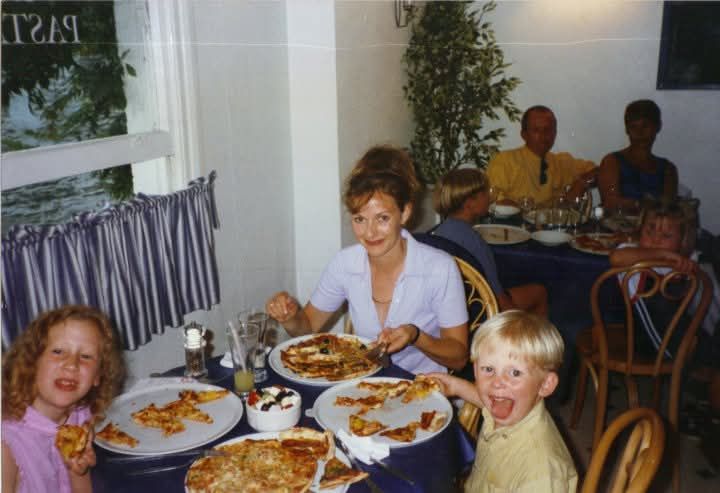
    Me, my brother and mum 1996

    My mum used to say, “Use your manners, let’s pretend we’re eating at the Queen’s house.” My brother and I would sit up straight, pinkies raised as we sipped our drinks, fully committed to the idea that we were in royal company. It was simple, a bit silly—but it made those moments feel special, and they’ve stayed with me.

    My dad was always the one encouraging us to be brave with food—especially seafood. On holidays, he’d show us how to peel prawns or debone fish. Things that might make some children squirm somehow fascinated us. It turned meals into little adventures and made trying new things feel exciting rather than intimidating.

    Of course, it would be naïve to think we can eliminate screens from our children’s lives completely. The world is digital, and they need to be confident using technology. Screens can educate, inspire, and support learning—so rather than seeing them as a hindrance, it’s more helpful to think of them as tools. Tools we can pick up and put down with intention. Teaching children that balance is invaluable.

    But what we shouldn’t do is let devices replace human interaction. Let them experience the world—and see you experiencing it with them. Bring them along with you, share what you love, and show them the world through real experiences. Accept that things will look different with children in tow. Swap long, uninterrupted dinners for noise, laughter, mess, and the occasional meltdown.

    Dining Out Without Screens

    If you’re heading out for a meal with children, it helps to reset your expectations. A calm, uninterrupted dinner might not be realistic—and that’s okay.
    Restaurants are full of stimulation: new faces, sounds, lighting, music, and décor. It’s natural for children to want to explore. Let them. Follow their lead (safely), show them things, and embrace their curiosity.

    Here are a few things that help us when dining out as a family:

    Come prepared
    Pack small activities—toys, colouring, or fidget items. They’re great for keeping little hands busy while waiting for food.

    Choose your timing wisely
    Avoid booking too late, especially for evening meals. Tired children and long waits rarely mix well. Earlier sittings are often quieter and quicker.

    Make the table interactive
    Play simple games like “What can you see?” or “What can you smell?” Tailor it to your children’s ages—we have a one-year-old and a ten-year-old, so creativity is key!

    Let them explore
    With younger children, take a walk around. Let them get familiar with the space, say hello, and practise simple manners like smiling, waving, and saying “please” and “thank you.”

    Give older children responsibility
    Encourage them to read the menu, choose their meal, and even order it themselves. It builds confidence and independence.

    Share food
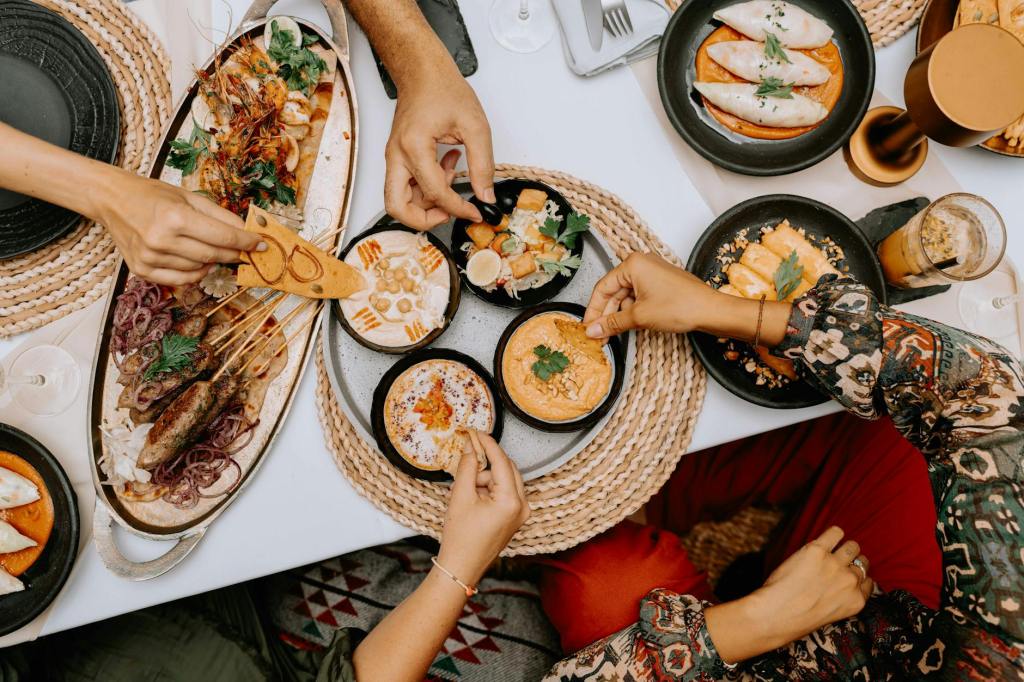
    Ordering picky bits or tapas-style dishes makes it easier for everyone to try new things. It also works well when meals are interrupted by the occasional wander.

    Take turns
    If there are two of you, swap roles—one engages with the children while the other gets a moment to sit and relax.
    Follow their energy
    Let them move, laugh, and explore. Children mirror your mood—if you’re stressed, they’ll feel it too.

    Pause and take it in
    Every now and then, sit back, sip your drink, and soak it all up. These are the moments they’ll remember. Be sure to cheers with your family too! Every outing should be celebrated.

    A Gentle Reminder

    It’s also important to remember that every family is different. It’s easy to look around and make quiet judgements when you see children with screens at the table or on outings—but the truth is, you don’t know their reasons or their circumstances. Focus on your own family, your own values, and what works for you. And be kind—to others and to yourself. The world needs more of that.

    When It Doesn’t Go to Plan

    Sometimes it won’t. There might be tears, tantrums, or food everywhere. You might find yourself crawling under the table, quietly cleaning up the aftermath. But that’s part of it.

    Consistency is key.

    Choosing to leave devices behind during family outings creates space for connection. The more you go screen free, the more it becomes the norm. Your children will look back on the moments you spent together and thank you.

    The Bit That Matters Most

    One day, these dinners won’t be noisy. There’ll be no crayons rolling off the table, no little voices asking a hundred questions, no tiny hands reaching for yours. And you won’t remember the meals where everything went perfectly—you’ll remember the ones filled with laughter, chaos, and connection. So leave the screens behind when you can. Be present. Let them explore, make a mess, ask questions, and be part of your world.
    Because that’s where the magic is.

  • Slowing Down This Easter

    Slowing Down This Easter

    The Easter holidays have arrived. No school runs for two weeks—hoorah!

    But does anyone else feel a little derailed by the change in pace? Suddenly, the diary begins to fill with trips here, there, and everywhere. Playdates roll in, and the “keep them entertained” activity list starts piling up along with the chocolate eggs!

    This year, I’m taking a different approach. A slower one.

    It’s rare that we get to enjoy slower mornings without needing to be up, ready, and out the door by 8am. I’m choosing to see this time as a break—a chance to rest and move at a gentler pace. Yes, I still have to work, exercise, plan meals, and keep the house in order, but there’s no rush.

    And actually, our children deserve this break too. A break from the school routine, from being hurried out the door, from structured learning. This is their time to take a breath and just be. To be at home with you. To watch, observe, and learn in a different way.

    I know I’m lucky to have work that fits flexibly around my family, and I’m aware that not everyone has that luxury. But here are a few small, simple things you can do during the school break to make it feel a little more special—most of them at no cost.

    A morning in bed
    Not the whole morning, but perhaps 30 minutes before you all get up. Let your children climb in, cuddle, and chat. No rushing—just being present.

    A special breakfast
    Something you wouldn’t usually have on a school day. Make it together—chop some fruit, scramble some eggs—and sit down to eat as a family. If time is tight, prep something the night before or wake slightly earlier. These are the moments they’ll remember.

    A walk a day
    Head out for a walk around your local area and see what you can discover together. Whether it’s short or long, it all makes a difference. Fresh air really is good for the soul.

    Plant some seeds
    It’s the perfect time of year to grow something together. Sunflowers are a great choice—plant one each and see whose grows the tallest!

    Let them choose
    Give them a few dinner options for the week and let them write the menu. Involve them in the process and let them help prepare the meals they’ve chosen. It builds independence and gives them a sense of purpose.

    Three facts a day
    Each evening, ask your children to share three facts about their day. We’ve done this for a while now—it’s often entertaining and gives you a glimpse into their world from their perspective.

    These are simple things, but they can make the holidays feel special—and you might even carry them into everyday life.

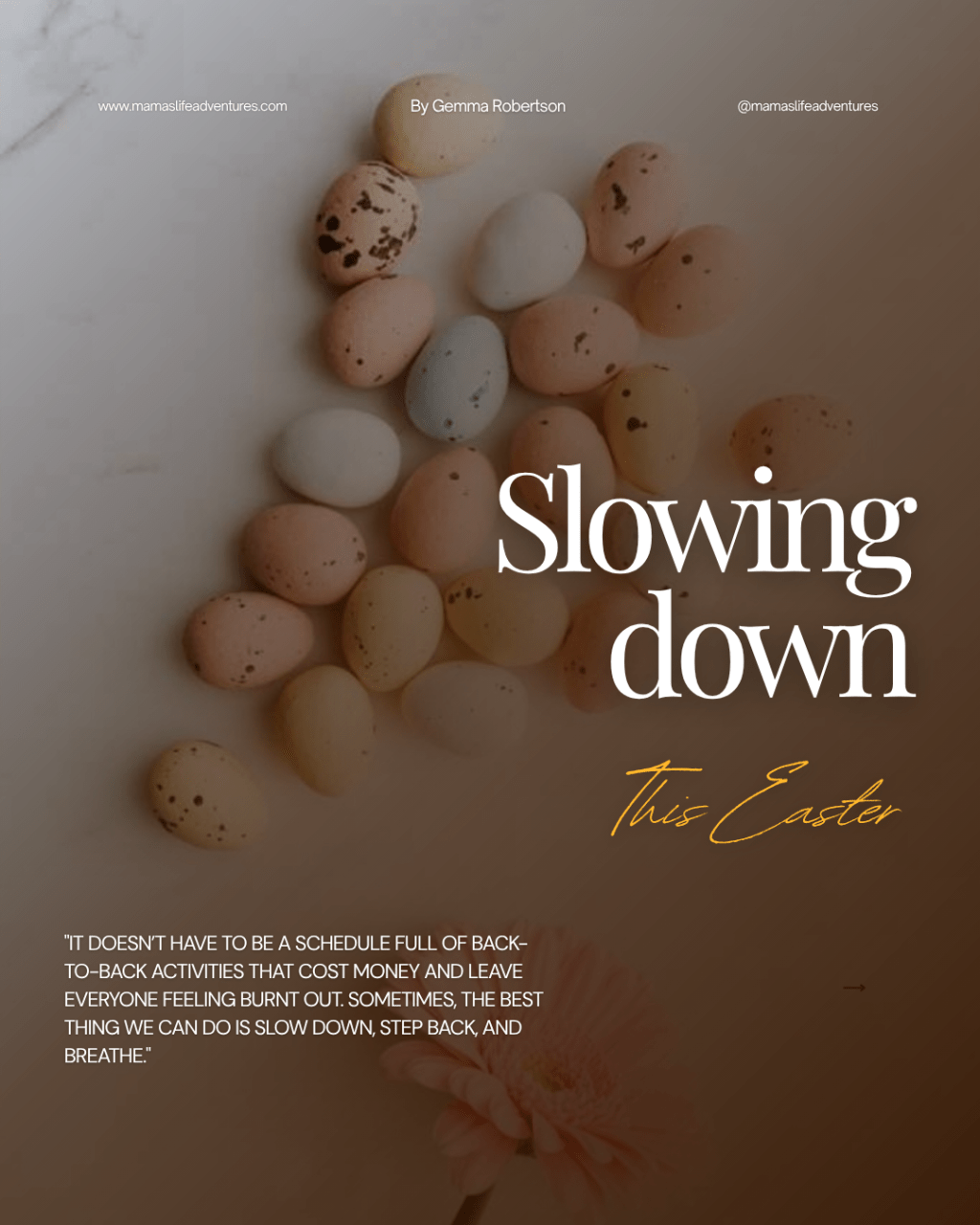
    It doesn’t have to be a schedule full of back-to-back activities that cost money and leave everyone feeling burnt out. Sometimes, the best thing we can do is slow down, step back, and breathe.

    I have a busy week ahead with work, family birthdays, and visitors—but I’m starting as I mean to go on: calm, present, and unrushed.


    And if everything doesn’t go to plan, that’s okay too. Some days will feel calm and connected, others might feel a little chaotic—and that’s all part of it. I’m reminding myself not to chase perfection, but to notice the small, quiet moments in between. The cuddles, the conversations, the slower pace. Because really, that’s what this time is about. Slowing down, soaking it in, and just being together.

  • Finding Myself (Again) After Becoming a Mum (Again)

    Finding Myself (Again) After Becoming a Mum (Again)

    After birthing a child, you get so wrapped up in the depths of new motherhood that it’s easy to lose yourself. Your boobs are leaking, you’re crying at Instagram reels, your clothes don’t feel right, and your hair’s whisping all over the place. You start to drift into the vast plains of parenting, unsure where you belong now. You’re overflowing with love and joy — yet there’s this quiet ache, this subtle mourning for the woman you used to be.

    It’s confusing, isn’t it? How something so pure and magical can coexist with this tiny thread of sadness. You love your baby with every fibre of your being, but you also miss you — the spontaneous you, the confident you, the you who wandered freely.

    I was lucky enough for my baby blues to pass quite quickly. I truly believe that years of self-reflection and healing helped pull me out of a potentially dark place early on. Knowing what would bring me back to myself wasn’t just helpful — it was an essential survival tool. And I’ll be forever grateful to my past self for doing the work before my second baby arrived.

    Because here’s the truth: finding yourself again after motherhood isn’t some big cinematic moment. There’s no movie montage where you rediscover your “old self” while the music swells and everything falls into place. It’s quieter than that. Slower. More like a gentle remembering.

    For me, it started with movement. Nothing fancy — just slow walks outside, one foot in front of the other, usually with the baby strapped to my chest. Feeling the sunshine on my face, listening to the trees whisper in the wind… those tiny moments were breadcrumbs leading me home. Nature truly heals, tell me I’m wrong.

    Then came the baby steps (pun intended). Dusting off the yoga mat and stretching deeply in ways I couldn’t while pregnant. Being kind to myself. Drinking more water than I thought humanly possible and fuelling my body with real, nourishing food. Using snippets of time to do small things that spoke to my soul — a hot bath, a little home pamper, or a good old wardrobe clear-out. A reset.

    And then… I started to wake up.

    Probably because dancing to drum and bass in the kitchen at 7 a.m. shook something loose in my soul and reminded me I was not small — I was BIG. I remembered who I was: the chatterbox, the bouncy ball of weirdness, the loving, feels-too-much, loves-too-hard, wonderful human with a lust for life and everything in it. I was a mum, yes — not a regular mum, a cool mum (IYKYK), but I was also a human being, navigating life on this floating rock in space that we call Earth.

    And let’s talk about support — because having a partner who actually shows up makes a world of difference. I’m lucky enough to have someone who lets me be my messy, emotional, beautifully exhausted self without judgment. Letting me ugly cry for no reason and then passing me a plate of food is top tier relationship goals (just saying). Not everyone has that, and it breaks my heart that some mothers walk this road feeling alone — I did once.

    But I do believe finding someone — whether it’s a friend, a sibling, a parent, or another mum who just gets it — is essential. Someone you can rely on, who makes you feel seen, who reminds you that you’re still you beneath the motherhood.

    Because that’s the real magic of it all — realising you’re not trying to get “back” to who you were. You’re meeting a new version of yourself: softer yet stronger, stretched in every sense, but somehow more whole. Never apologise for who you are or who you are becoming. We change and grow with every season in life. If you resurface as a different you after becoming a mum, that’s ok! You might find a different you, a better you. Just as long as you feel comfortable and happy in your own skin, that’s all that matters. Stay true to yourself. It doesn’t have to make sense. None of it does. You just have to remember that every day is a new day and you’ll find yourself along the way. 

    So if you’re somewhere in that hazy fog, trying to remember who you are beneath the nappies, the sore body, the cold coffee, and the emotional rollercoaster that is motherhood — just know this: she’s still there. You’re still there. You’ll find her again — one home-cooked meal, one walk in the sunshine, one filthy drum and bass track, and one honest cry at a time.

    I got you girl 🫂💓

  • The Magic of a Nine-Year Age Gap

    The Magic of a Nine-Year Age Gap

    The Magic of a Nine-Year Age Gap

    When we decided to try for another baby — nine years after having my first — I’ll admit, it felt a little surreal. Life had found its rhythm. Henry was growing up fast, and for a long time, I thought my little family was complete. But something in me just knew there was still space for one more little soul.

    And then came Ivy. 💕 From the moment she arrived, she filled every quiet space we didn’t even realize was waiting for her. She completed us in the most beautiful, unexpected way.

    Watching Henry with her has been one of the greatest joys of my life. He tells me all the time how much he loves her. The other day he said, “Mum, Ivy’s the only person who doesn’t think I talk too much,” (He’s a chatterbox just like his Mum 👀) which pretty much sums up their relationship — full of sweetness, chaos, and a lot of giggles. He’s protective, patient, and so proud to be her big brother. Of course, there are moments of madness (a 9-year-old’s Minecraft world doesn’t always mix well with a baby who loves pressing buttons 😅), but somehow, it all works.

    If you’re worried about a big age gap between your children — don’t be. It’s one of the most amazing things ever. Sure, every family dynamic has its pros and cons, but a bigger age gap brings its own kind of magic.

    Here are just a few reasons why a bigger age gap can be so special:

    1. The bond is pure and intentional

    Older siblings want to help, to love, and to be involved. There’s no competition — just admiration and care. Watching that kind of love unfold is incredibly heartwarming.

    2. They balance each other out

    One brings the calm, the other brings the chaos — and somehow, it’s the perfect mix. You get the best of both worlds: the quieter, more reflective moments with an older child and the silly, unpredictable fun of a baby.

    3. Built-in role model

    Your older child becomes a teacher, a storyteller, a guide. Henry delights in showing Ivy how things work, and she watches him like he’s a tiny celebrity — which, to him, is clearly fame.

    4. A deeper appreciation

    Having another baby later often brings a sense of calm and gratitude. You realize how fleeting each stage is, and you soak up every moment — even the sleepless ones.

    5. A little helper (and part-time entertainer)

    Here’s one of the major perks: your nine-year-old can actually keep an eye on the baby while you dash to the loo or try to make dinner without burning it. It’s like having a built-in babysitter — unpaid, slightly dramatic, but surprisingly effective.

    Having children with a bigger age gap means the noise levels might fluctuate wildly — from teenage sighs to baby squeals — but somehow it all blends into the sweetest kind of soundtrack. There’s laughter in one room and lullabies in another, and in between it all, a growing friendship that melts my heart daily.

    So yes, our house is a mix of giggles, tantrums, homework, and naptimes — but it’s also overflowing with love.

    A nine-year age gap might not have been what I first imagined, but now I can’t picture it any other way. Ivy completes our family, and Henry reminds me every single day just how lucky we are. 💫

  • Forest adventures made easy – What to pack for a day out exploring with the kids

    Taking kids into the forest isn’t just a casual stroll—it’s an adventure, full of opportunities for exploration, learning, and discovery. That said, it’s also an exercise in patience and parenting. Within ten minutes, someone will be hungry, too hot, too cold, tired, or in desperate need of a wee.

    I’ve spent so many days with my kids trudging through mud, climbing trees, and building dens — the kind of messy, magical days that stay with you forever. I hope that years from now, we’ll all look back and laugh about the muddy puddle tantrums and those heartbreaking moments when we had to leave a beloved stick or rock behind.

    Before your next outdoor adventure, grab your backpack (or three) and pack smart. Here’s what you really need to survive—and thrive—a day in the woods with kids.

    Henry aged 5

    ☔ 1. Packaway Raincoats

    Waterproofs save lives. Whether it’s raining, sunny, or somewhere in between, a lightweight, packable raincoat comes in handy. Use it for rain, as an extra layer for “I’m cold” moments, or even for unexpected UV protection on sunny days.

    🌱 2. Packaway Ground Sheet

    Somewhere to sit that isn’t a muddy patch? Yes, please.
    A ground sheet doubles as a picnic blanket, emergency shade, or a spot to pile the ever-growing collection of sticks, pinecones, and “treasures” your kids insist on collecting.

    🏕 3. Packaway Hammock

    Optional, but highly recommended. Easy to set up, a hammock gives you the perfect spot to relax and watch the kids explore, soaking up nature without feeling like you’re missing half the fun.

    🧻 4. Toilet Roll & Baby Wipes

    Nature calls. A lot.
    From impromptu tree “bathrooms” to messy hands and faces, wipes save your sanity. Trust me—parents know.

    🗑️ 5. Bin Bag

    Leave no trace.
    Carry your rubbish home, keep the forest beautiful, and teach your kids the importance of caring for the environment.

    🧊 6. Refrigerated Snack Bag

    The lifeblood of any outdoor adventure.
    Pack more than you think you need—kids will remind you they’re starving every five minutes. Bonus: snacks can double as bargaining tools for minor meltdowns.

    💧 7. Water Bottles with Clips

    Clip them to backpacks and avoid the constant chorus of “Mum, I’m thirsty!” Hydration equals happiness—and fewer complaints.

    🚑 8. First Aid Kit

    Plasters, antiseptic wipes, and eye-cleaning drops (yes, sticks go in eyes more often than you think) are essentials.
    If you believe a day in the forest can happen without a few scrapes, you either have perfect kids—or you’re new to parenting.

    🦟 9. Bug Spray & Suncream

    Even on cloudy days, bugs are relentless and sunburns sneak up. Apply generously and often—consider it a full-contact sport.

    🔋 10. Portable Charger

    Your phone is your camera, map, and lifeline. Keep it charged—you’ll want those snaps of muddy faces, puddle crashes, and “look what I found” moments.

    🎒 Bonus Tip: Let the Kids Carry Stuff

    If they’re old enough, give them a small backpack. Sure, it’ll probably end up full of sticks and pinecones, but they’ll feel useful—and you’ll carry less.

    Henry aged 7

    🌳 Final Thoughts

    A day in the forest with kids isn’t about perfection or Instagram-worthy moments. It’s about snacks, mud, minor injuries, questionable decisions, and, most importantly, fun.

    Pack smart. Live in the moment. And remember: if no one cries, did you even leave the house?

    Henry aged 4

    Disclaimer: As an Amazon Associate, I earn from qualifying purchases. This means that if you click on a link to a product and make a purchase, I may receive a small commission at no extra cost to you. This helps support my blog and allows me to continue sharing honest reviews and recommendations. Thank you for your support!

  • The Hauck Runner 2 – The Best Pram for Forest Trails and Off-Road Adventures

    The Hauck Runner 2 – The Best Pram for Forest Trails and Off-Road Adventures

    The Hauck Runner 2: The Best Outdoor Pram for Parents Who Love Adventures


    As a parent who loves being outdoors, I was determined not to let motherhood slow down my adventures. That’s why discovering the Hauck Runner was such a game changer for me and my daughter. It can be used from birth, so we wasted no time in getting outside!

    Whether we’re weaving through the forest trails or exploring the open paths of the New Forest National Park, this pram has been by my side every step of the way—and I honestly don’t know what I’d do without it.


    Built for the Outdoors

    Unlike a standard stroller that struggles on uneven paths, the Hauck Runner thrives off-road. Its pneumatic air wheels make it glide effortlessly over tree roots, gravel, and bumpy terrain. I never find myself fighting with it—it just rolls smoothly wherever I go, letting me enjoy the journey instead of worrying about every bump. Despite being so sturdy, it’s surprisingly lightweight and incredibly easy to manoeuvre, which makes a big difference when navigating winding trails or busy areas.

    Comfort for Baby (and for Me!)

    One of the things I love most is how comfortable my daughter is in it. She’s had countless naps while we’ve been out exploring, thanks to the reclining backrest and the spacious, cushioned seat. The UPF 50+ canopy and XL mesh window mean she’s protected from the sun while still getting plenty of airflow, which is perfect for warm days.

    From my perspective (being a 5ft 2 shorty!), the height-adjustable handle makes a world of difference. Whether I’m walking or running, I can set it at the right level for comfort, which keeps long outings enjoyable instead of tiring.

    Practical Features for Everyday Adventures

    The Hauck Runner isn’t just about comfort and sturdiness—it’s also practical for everyday parent life. The large storage basket is a lifesaver for carrying snacks, toys, or even a picnic blanket, and the rain cover means a little drizzle never ruins our plans. I also love how easy it is to fold down when it’s time to head home, making it hassle-free to pack into the car. Plus, it comes in a range of stylish colours, so you can pick one that suits your personality and lifestyle. It feels like everything has been thought through for parents who don’t just want a pram for the high street, but for the real outdoors.

    Why I Rate It So Highly

    I can honestly say the Hauck Runner has transformed the way I get outside with my daughter. It’s reliable, robust, lightweight, and thoughtfully designed for parents who want more than just the basics. Whether you’re a runner, an explorer, or simply a parent who refuses to be confined to smooth pavements, this pram delivers.

    For me, it’s more than just a pram—it’s the reason I can keep living the active, outdoor lifestyle I love while sharing those adventures with my little one.

    Click here to find the Hauck Runner 2

    Disclaimer: As an Amazon Associate, I earn from qualifying purchases. This means that if you click on a link to a product and make a purchase, I may receive a small commission at no extra cost to you. This helps support my blog and allows me to continue sharing honest reviews and recommendations. Thank you for your support!