In recent months, there’s been a noticeable shift on social media. Women — especially mothers — are beginning to put themselves first.
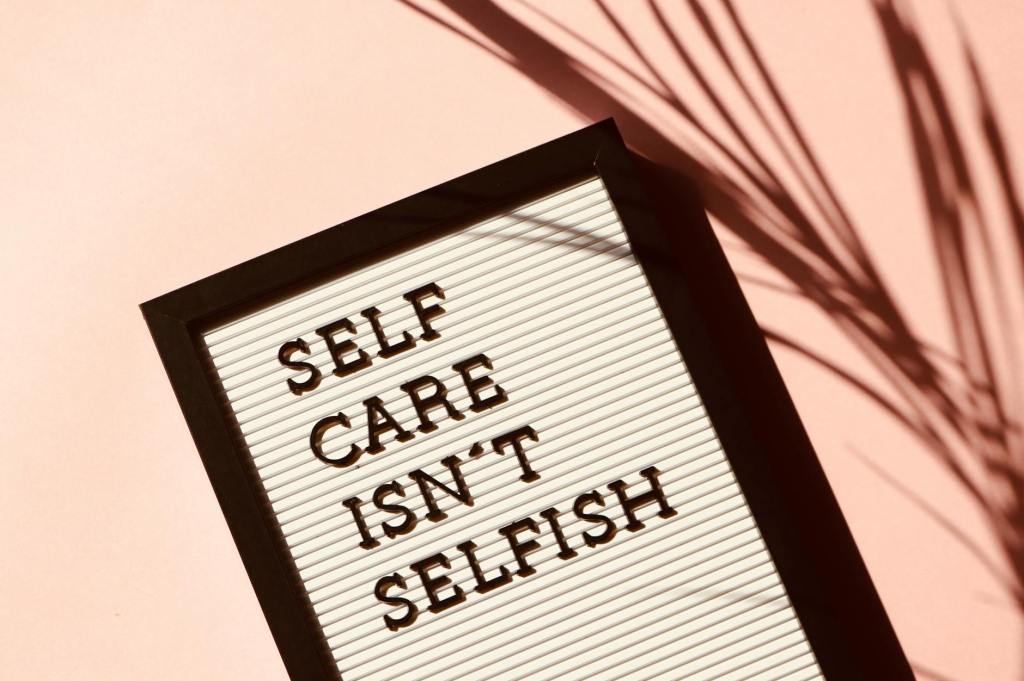
Not in a selfish way, but intentionally. They’re prioritising their wellbeing so they can show up as healthier, more present versions of themselves for their families.
While no one can operate at 100% all the time, this move towards consistent self-care feels transformative. From solo coffee dates and regular exercise to proper rest and uninterrupted time alone, creating space outside the role of “mum” is finally becoming normalised.
Because how can we show up well if we’re burnt out and running on empty?
The Invisible Load
Many women carry the mental load of family life — the invisible work of planning, organising and anticipating everything:
The house
The schedule
School projects
Payments
Clubs
Meals
Laundry
The list never ends. This constant responsibility leaves little room for the person carrying it — unless she intentionally creates that space. And while that isn’t always easy, it’s essential.
The World Health Organization defines burnout as chronic stress that hasn’t been successfully managed. Motherhood may not be classified as an occupation, but its demands are undeniable. Without recovery, prolonged stress affects not just mood, but physical health, relationships and overall wellbeing.
Self-Care Is Sustainable, Not Selfish
Research by psychologist Kristin Neff shows that self-compassion leads to greater resilience, emotional balance and overall wellbeing. In short, caring for yourself doesn’t reduce your ability to care for others — it strengthens it.
One account I particularly love following is a mum who shares this in action: @timewithoutmax
She regularly takes herself on solo dates and shows how trying new things alone can be a genuinely enjoyable and empowering way to spend your time.
There’s also a deeper benefit
New experiences support neuroplasticity, helping the brain form new connections and stay adaptable.
What we’re seeing online
Women taking solo time, exercising, travelling, or simply sitting alone in a café — isn’t indulgence. It’s maintenance. A quiet reminder: I matter too.
From Luxury to Necessity
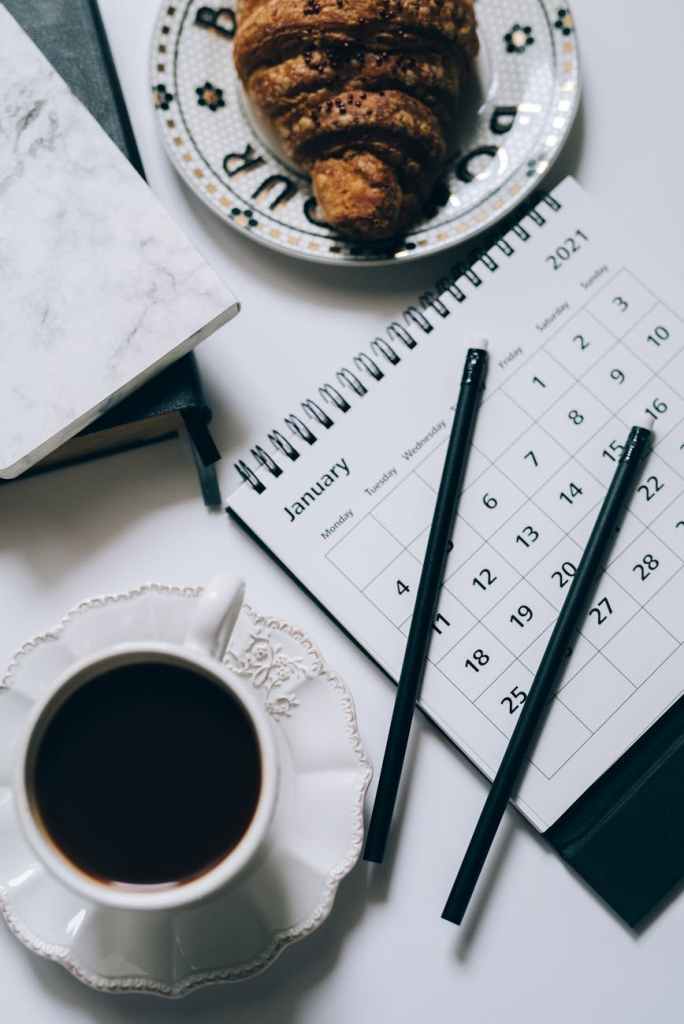
Self-care shouldn’t be something we squeeze in once everything else is done. What if it was scheduled as deliberately as the weekly shop?
When it becomes routine, it stops feeling like a luxury and starts feeling essential.
That might look like:
A non-negotiable weekly walk or class
A monthly morning to yourself
A quarterly reset day
A solo trip each year
Even just twenty protected minutes daily
The key difference? It goes in the calendar first. Because if we wait for spare time, it rarely comes.
The Ripple Effect
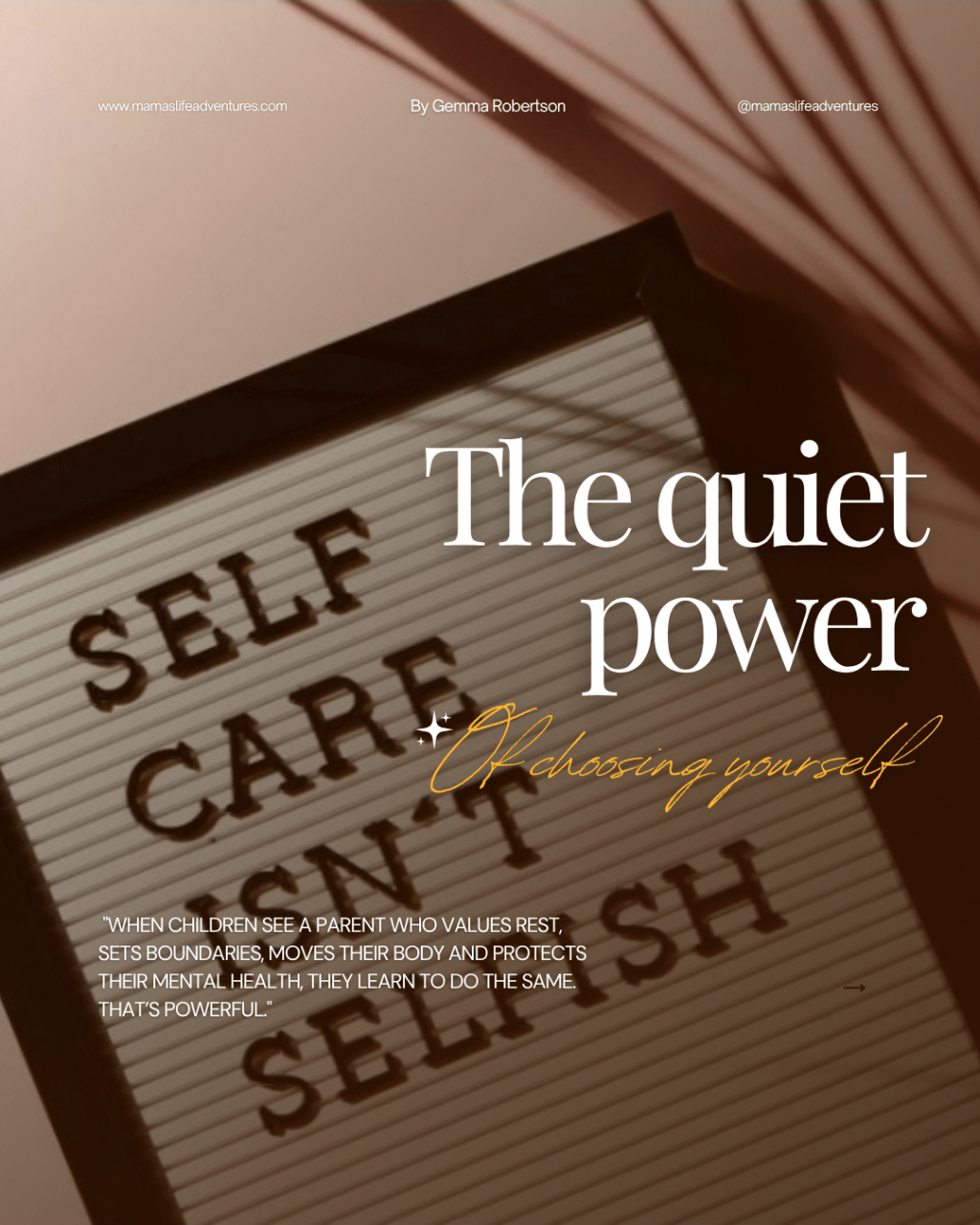
When children see a parent who values rest, sets boundaries, moves their body and protects their mental health, they learn to do the same. That’s powerful.
And this shift isn’t just for women. More men are embracing conversations around mental health and rest too. When both parents prioritise wellbeing, the whole family benefits.
The Quiet Power of Being Alone
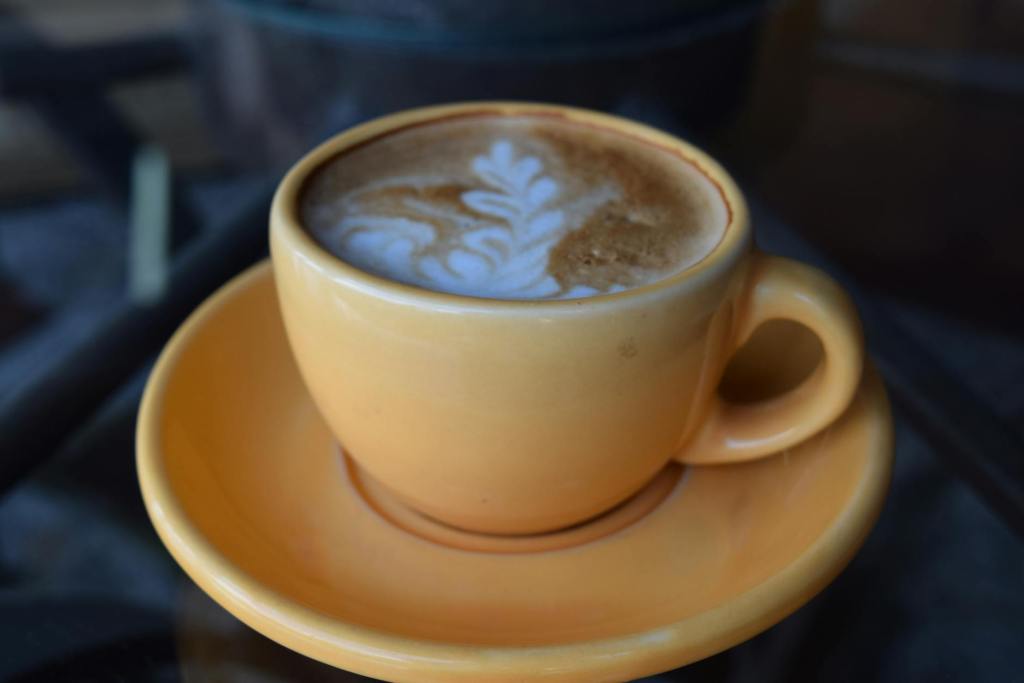
There’s something deeply freeing about time alone. A quiet coffee. A walk without distractions. A moment without demands.
Doing something simply because you want to — not because it serves anyone else. Not everything needs to be shared or seen to matter. In fact, the most restorative moments often aren’t.
Whether it’s a small weekly ritual, a monthly reset, or a yearly escape — make it count.
Do it for you. Not because you’ve earned it. Not because everything else is done. But because you deserve care too.
References
Neff, K. (2011). Self-Compassion: The Proven Power of Being Kind to Yourself.
World Health Organization (2019). Burn-out an “occupational phenomenon” (ICD-11).
Daminger, A. (2019). The cognitive dimension of household labor. American Sociological Review.
Poo, A. (2015). The Age of Dignity.
If you want, I can also format this for Instagram carousel, email newsletter, or your website