We aren’t wired to sit inside all day.
As humans, we need sunlight on our skin, fresh air in our lungs, the rustle of trees and the sound of birdsong. These things aren’t luxuries—they’re essential.
Time outdoors brings us back to ourselves. It grounds us, steadies our thoughts, and reminds us that we’re part of something bigger. Quite simply, nature helps us feel human again.
Why the Outdoors Matters for Our Health
Spending time outside doesn’t just feel good—it has real, measurable benefits for both our mental and physical wellbeing. Here’s why:
Boosts mood and reduces stress – Exposure to natural light helps regulate our circadian rhythms and increases serotonin levels, which can improve mood and reduce anxiety. Even a short walk outdoors can lower cortisol (the stress hormone).
Improves focus and mental clarity – Nature gives our overstimulated minds a break. Studies show that time in green spaces can improve concentration, creativity, and even memory—for both adults and children.
Supports physical health –
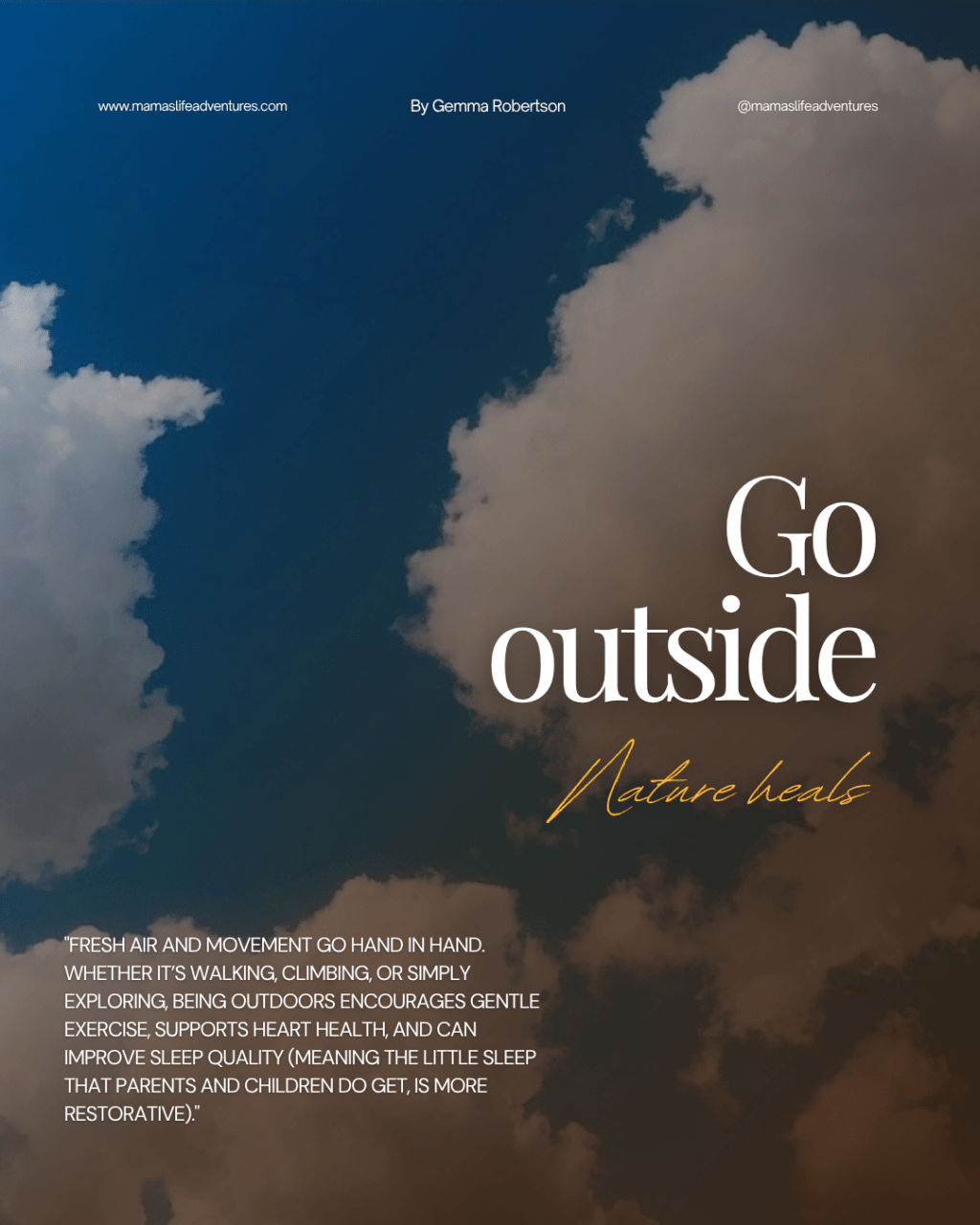
Fresh air and movement go hand in hand. Whether it’s walking, climbing, or simply exploring, being outdoors encourages gentle exercise, supports heart health, and can improve sleep quality (meaning the little sleep that parents and children do get, is more restorative).
Strengthens the immune system – Exposure to natural environments—especially woodland areas—has been linked to improved immune function, thanks to cleaner air and beneficial plant compounds. So there’s no harm in letting your little ones dig around in the mud collecting sticks and stones!

There’s also something powerful about physically connecting with nature. Touching soil, trees, and plants isn’t just sensory—it can trigger real chemical responses in the body. Soil contains a natural microorganism called Mycobacterium vaccae, which research suggests can stimulate the release of serotonin, helping to lift mood and promote a sense of calm. Similarly, contact with plants and trees exposes us to natural oils and compounds—often called phytoncides—that have been linked to reduced stress levels and improved immune function. Even something as simple as walking barefoot on grass or running your hands through leaves can help regulate the nervous system, lowering stress and creating a feeling of balance.
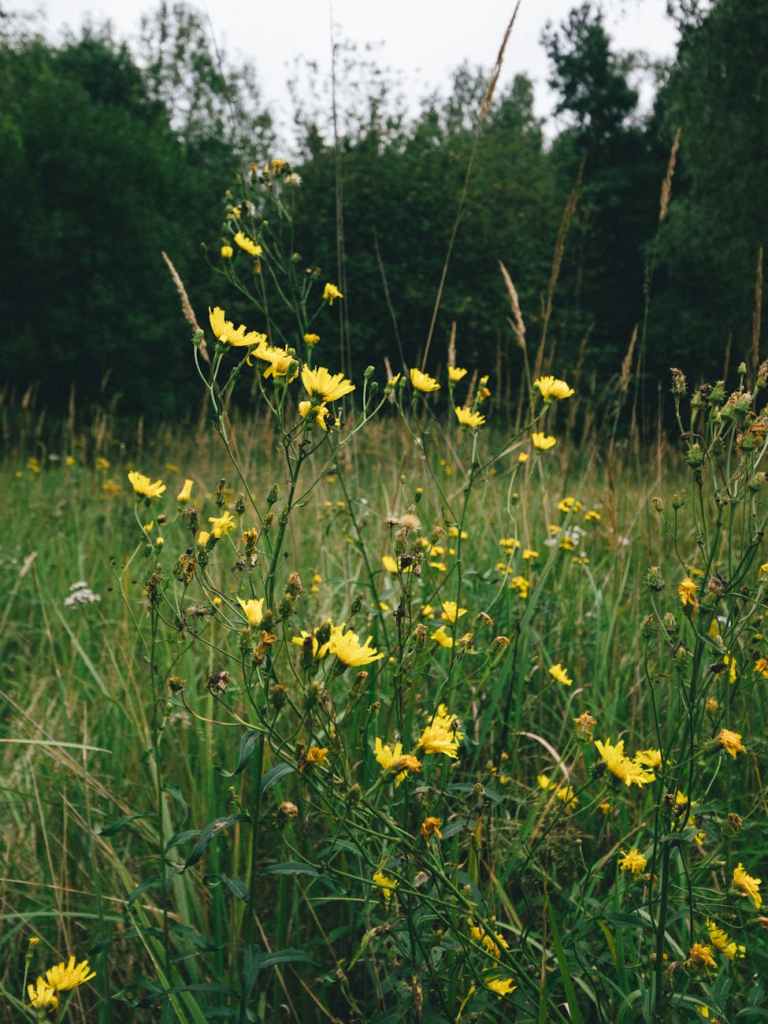
Living in the New Forest National Park, we’re incredibly lucky to have nature right on our doorstep. Long woodland walks, open skies, and winding trails are part of our everyday life. We spend hours wandering, noticing the seasons change, and letting the children explore freely. But I know that not everyone has access to forests or open countryside—and that’s okay. There are other ways to enjoy the outside no matter where you live.
How to Bring the Outdoors to You
Even if you live in a city or don’t have easy access to green spaces, there are simple ways to recreate those benefits wherever you are:
Create a mini green space at home – Add plants to your home, balcony, or garden. Even a few pots of herbs or flowers can make a difference. Caring for plants can be calming and grounding in itself.
Prioritise natural light – Open curtains, sit near windows, or take breaks outside during the day. Morning sunlight in particular helps regulate sleep and boost energy levels.
Bring nature to your routine – Walk a different route to school, visit a local park, or spend time outside after dinner. Small, consistent moments outdoors add up.
Engage your senses – Play nature sounds, light a natural candle, or use essential oils like pine or eucalyptus. It might sound simple, but sensory cues can help mimic the calming effects of being outdoors.
Slow down and notice – Whether it’s watching clouds, listening to birds, or feeling the wind, take a few minutes to be present. Nature isn’t just a place—it’s a mindset we can access anywhere.

Why the Outdoors is So Important for Children
Children are naturally drawn to the outdoors—it’s where their curiosity thrives. Giving them time outside isn’t just beneficial, it’s vital for their development. Here’s why:
Encourages imagination and creativity – Nature doesn’t come with instructions. A stick becomes a wand, a den, or a fishing rod. Outdoor play sparks creativity in ways screens simply can’t.
Builds confidence and resilience – Climbing trees, navigating uneven ground, and exploring new spaces help children learn their limits, solve problems, and build independence.
Supports emotional wellbeing –
Time outdoors can reduce anxiety, improve mood, and help children regulate their emotions. It offers space to breathe, move, and simply be.

At its heart, spending time outdoors isn’t about grand adventures or picture-perfect days. It’s about small, meaningful moments—muddy boots, rosy cheeks, shared laughter, and quiet pauses under open skies.
Wherever you are, there’s always a way to step a little closer to nature.
And sometimes, that’s exactly what we need.
Further Reading & Sources –
Research has shown that a natural soil bacterium (Mycobacterium vaccae) may help boost serotonin levels and support mood regulation.
(Lowry et al., 2007)
Studies on “forest bathing” have found that trees release natural compounds (called phytoncides) which can reduce stress and support the immune system.
(Li, 2010)
Large reviews of multiple studies confirm that regular access to green space is associated with better physical and mental health.
(Twohig-Bennett & Jones, 2018)
Spending time in nature has been linked to reduced stress, lower anxiety, and improved mental wellbeing.
(Bratman et al., 2015)
Time outdoors can also improve focus, memory, and overall cognitive function.
(Berman, Jonides & Kaplan, 2008)
Even simply seeing natural environments has been shown to support healing and recovery.
(Ulrich, 1984)
 Mamas life adventures