Tag: mental health

  • Go outside – Nature heals

    Go outside – Nature heals

    We aren’t wired to sit inside all day.

    As humans, we need sunlight on our skin, fresh air in our lungs, the rustle of trees and the sound of birdsong. These things aren’t luxuries—they’re essential.

    Time outdoors brings us back to ourselves. It grounds us, steadies our thoughts, and reminds us that we’re part of something bigger. Quite simply, nature helps us feel human again.

    Why the Outdoors Matters for Our Health

    Spending time outside doesn’t just feel good—it has real, measurable benefits for both our mental and physical wellbeing. Here’s why:

    Boosts mood and reduces stress – Exposure to natural light helps regulate our circadian rhythms and increases serotonin levels, which can improve mood and reduce anxiety. Even a short walk outdoors can lower cortisol (the stress hormone).

    Improves focus and mental clarity – Nature gives our overstimulated minds a break. Studies show that time in green spaces can improve concentration, creativity, and even memory—for both adults and children.

    Supports physical health
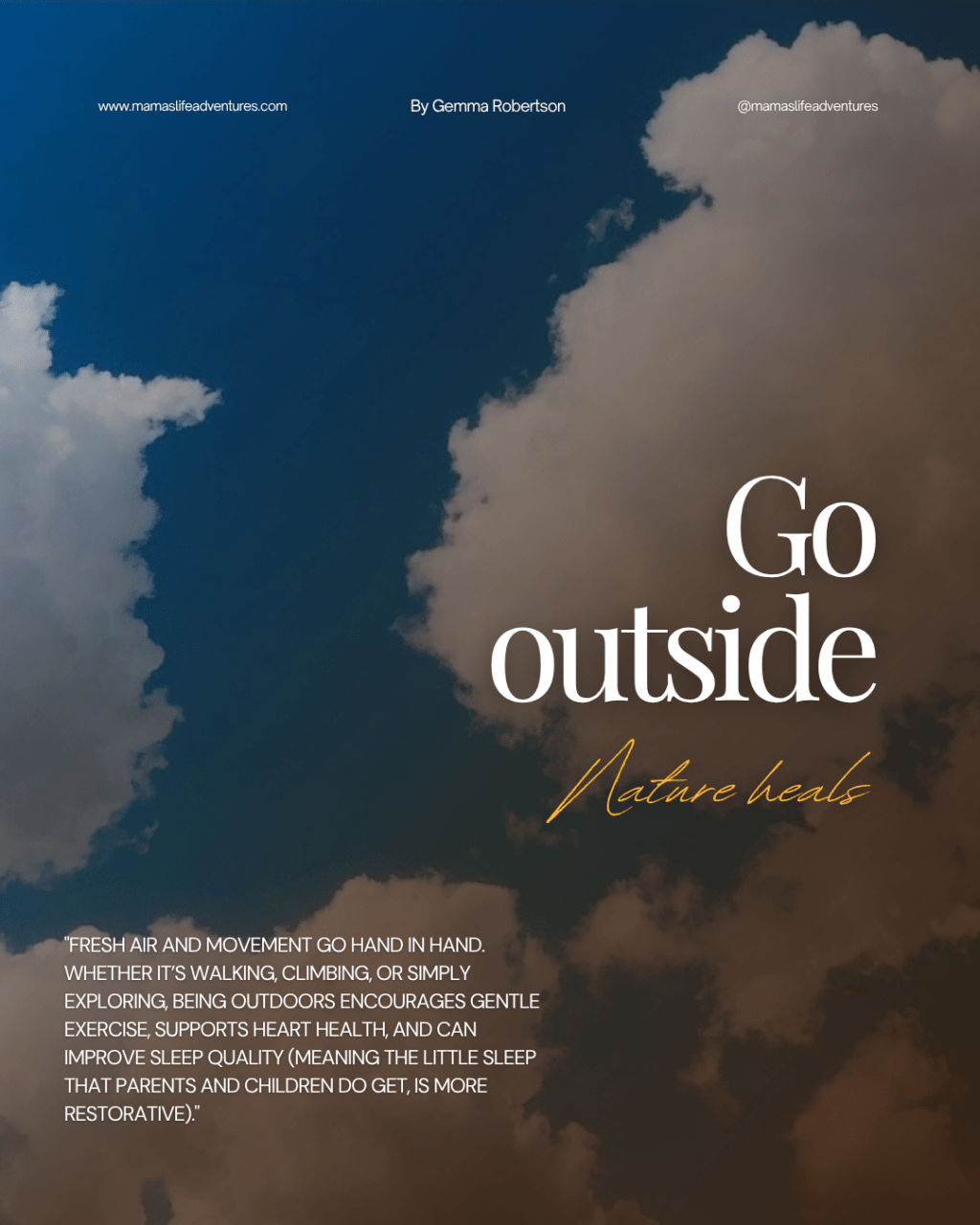
    Fresh air and movement go hand in hand. Whether it’s walking, climbing, or simply exploring, being outdoors encourages gentle exercise, supports heart health, and can improve sleep quality (meaning the little sleep that parents and children do get, is more restorative).

    Strengthens the immune system – Exposure to natural environments—especially woodland areas—has been linked to improved immune function, thanks to cleaner air and beneficial plant compounds. So there’s no harm in letting your little ones dig around in the mud collecting sticks and stones!

    There’s also something powerful about physically connecting with nature. Touching soil, trees, and plants isn’t just sensory—it can trigger real chemical responses in the body. Soil contains a natural microorganism called Mycobacterium vaccae, which research suggests can stimulate the release of serotonin, helping to lift mood and promote a sense of calm. Similarly, contact with plants and trees exposes us to natural oils and compounds—often called phytoncides—that have been linked to reduced stress levels and improved immune function. Even something as simple as walking barefoot on grass or running your hands through leaves can help regulate the nervous system, lowering stress and creating a feeling of balance.
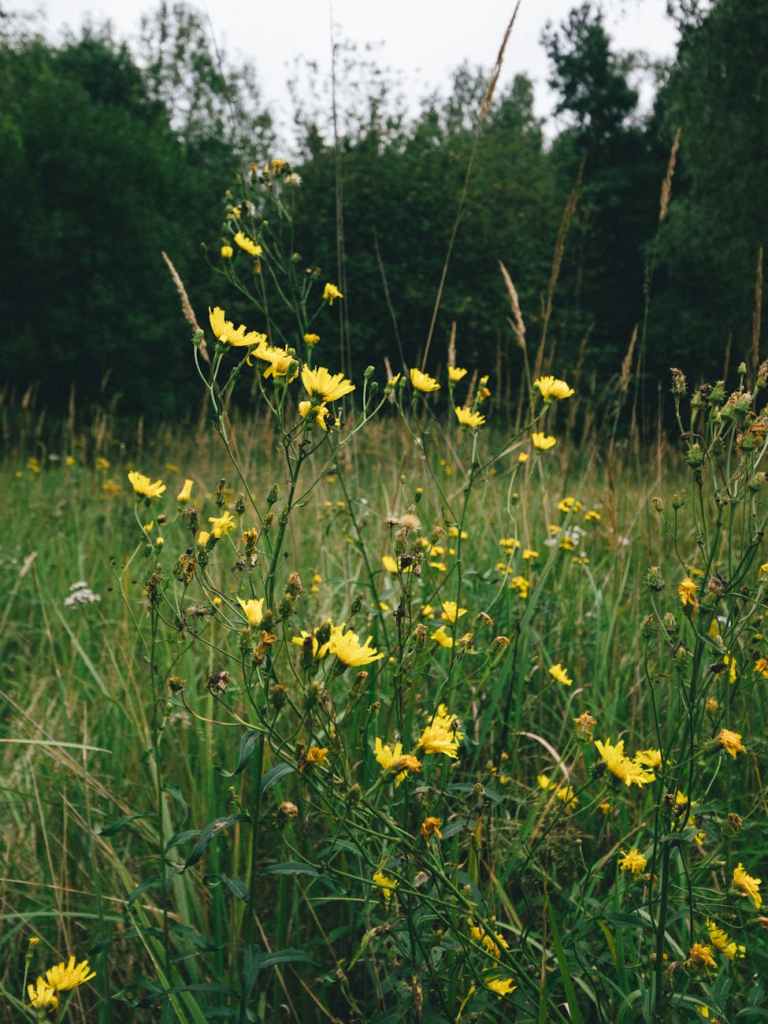
    Living in the New Forest National Park, we’re incredibly lucky to have nature right on our doorstep. Long woodland walks, open skies, and winding trails are part of our everyday life. We spend hours wandering, noticing the seasons change, and letting the children explore freely. But I know that not everyone has access to forests or open countryside—and that’s okay. There are other ways to enjoy the outside no matter where you live.

    How to Bring the Outdoors to You

    Even if you live in a city or don’t have easy access to green spaces, there are simple ways to recreate those benefits wherever you are:

    Create a mini green space at home – Add plants to your home, balcony, or garden. Even a few pots of herbs or flowers can make a difference. Caring for plants can be calming and grounding in itself.

    Prioritise natural light – Open curtains, sit near windows, or take breaks outside during the day. Morning sunlight in particular helps regulate sleep and boost energy levels.

    Bring nature to your routine – Walk a different route to school, visit a local park, or spend time outside after dinner. Small, consistent moments outdoors add up.

    Engage your senses – Play nature sounds, light a natural candle, or use essential oils like pine or eucalyptus. It might sound simple, but sensory cues can help mimic the calming effects of being outdoors.

    Slow down and notice – Whether it’s watching clouds, listening to birds, or feeling the wind, take a few minutes to be present. Nature isn’t just a place—it’s a mindset we can access anywhere.

    Why the Outdoors is So Important for Children

    Children are naturally drawn to the outdoors—it’s where their curiosity thrives. Giving them time outside isn’t just beneficial, it’s vital for their development. Here’s why:

    Encourages imagination and creativity – Nature doesn’t come with instructions. A stick becomes a wand, a den, or a fishing rod. Outdoor play sparks creativity in ways screens simply can’t.

    Builds confidence and resilience – Climbing trees, navigating uneven ground, and exploring new spaces help children learn their limits, solve problems, and build independence.

    Supports emotional wellbeing
    Time outdoors can reduce anxiety, improve mood, and help children regulate their emotions. It offers space to breathe, move, and simply be.

    At its heart, spending time outdoors isn’t about grand adventures or picture-perfect days. It’s about small, meaningful moments—muddy boots, rosy cheeks, shared laughter, and quiet pauses under open skies.
    Wherever you are, there’s always a way to step a little closer to nature.

    And sometimes, that’s exactly what we need.

    Further Reading & Sources –

    Research has shown that a natural soil bacterium (Mycobacterium vaccae) may help boost serotonin levels and support mood regulation.
    (Lowry et al., 2007)

    Studies on “forest bathing” have found that trees release natural compounds (called phytoncides) which can reduce stress and support the immune system.
    (Li, 2010)

    Large reviews of multiple studies confirm that regular access to green space is associated with better physical and mental health.
    (Twohig-Bennett & Jones, 2018)

    Spending time in nature has been linked to reduced stress, lower anxiety, and improved mental wellbeing.
    (Bratman et al., 2015)

    Time outdoors can also improve focus, memory, and overall cognitive function.
    (Berman, Jonides & Kaplan, 2008)

    Even simply seeing natural environments has been shown to support healing and recovery.
    (Ulrich, 1984)
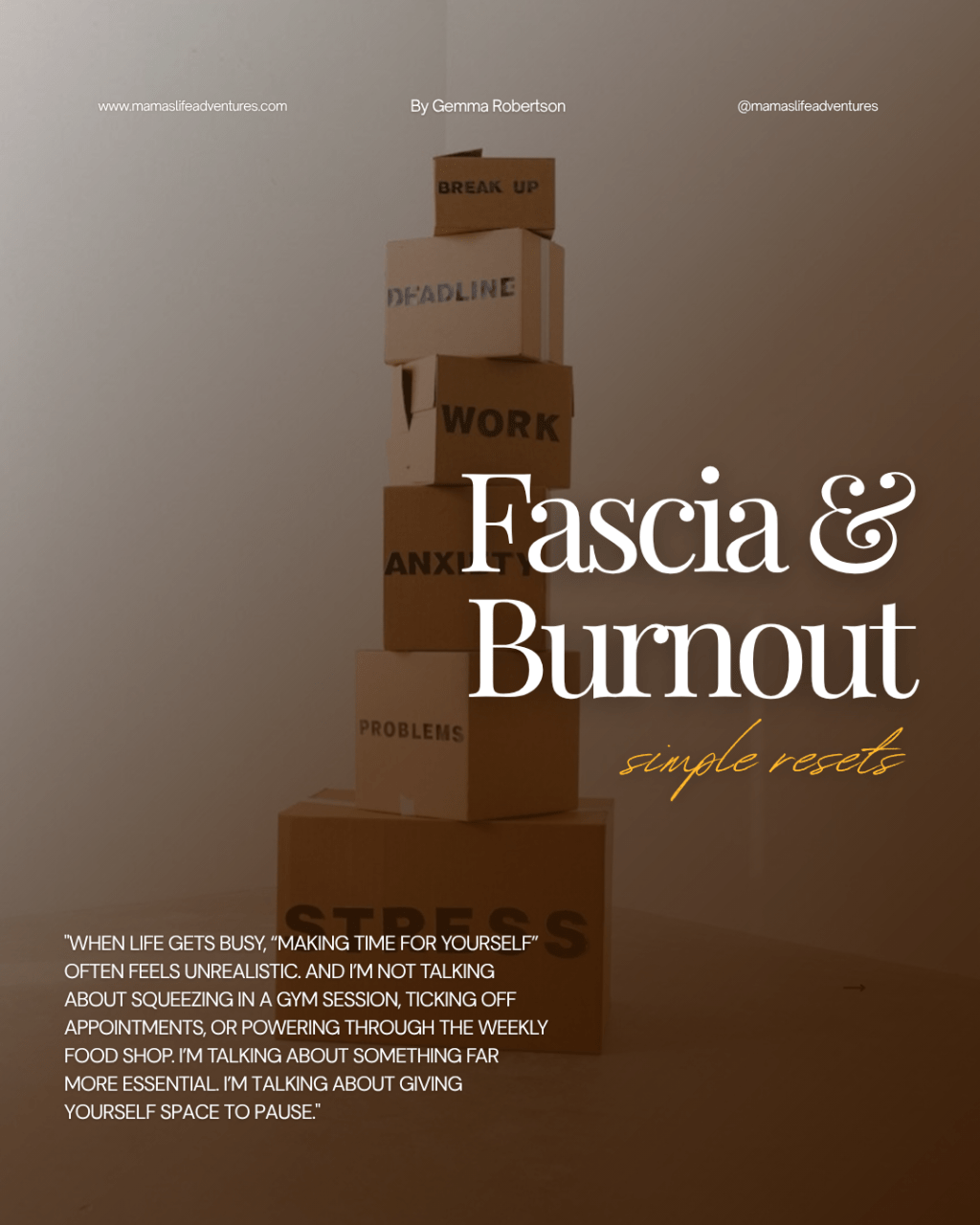
  • Fascia & Burnout: Simple Resets

    Fascia & Burnout: Simple Resets

    We’ve all been there—running on empty after weeks (or months) of constantly being on the go. The mental load, the physical exhaustion, the never-ending to-do list. I’m feeling it now too—that quiet but persistent sense that burnout is just around the corner.


    When life gets busy, “making time for yourself” often feels unrealistic. And I’m not talking about squeezing in a gym session, ticking off appointments, or powering through the weekly food shop. I’m talking about something far more essential.
    I’m talking about giving yourself space to pause.


    Moments to reset your nervous system.


    Moments to let your mind soften.


    Moments to allow your body to fully relax and regenerate.


    This doesn’t require spa days or extra hours of sleep (though those are always a bonus when they happen). It’s about small, intentional practices—deep breathing, stillness, gentle awareness—that help your body come out of survival mode and return to balance.

    The Fascia


    Let’s talk about something we don’t often think about: fascia.
    What’s that, you ask?

    Fascia is a continuous web of connective tissue that runs throughout your entire body. It’s quite incredible—it wraps around your muscles, organs, bones, and nerves, holding everything in place while also allowing movement and flexibility.

    Think of it as both your body’s support system and its communication network. When you’re stressed, physically or emotionally—your fascia can tighten and become restricted. This can lead to stiffness, discomfort, fatigue, and that heavy, “worn down” feeling so many of us carry without even realising it. Many people can relate to this, and as a parent, exhaustion is certainly not a foreign concept.

    Fascia is also closely linked to your nervous system. When you’re stuck in a constant state of stress (fight or flight), your fascia reflects that tension. It becomes less elastic, less hydrated, and less able to support easeful movement and recovery.


    The good news? Fascia responds beautifully to slow, mindful practices. Gentle movement, deep breathing, and moments of stillness can help rehydrate and release this tissue, sending signals of safety back to your nervous system.

    In short—when you look after your fascia, you’re supporting your entire body to feel calmer, lighter, and more resilient.


    3 Steps to Reset


    When everything feels overwhelming, keep it simple. Resetting doesn’t have to be complicated or time-consuming. It’s something you can even practise with your children.


    1. Breathe with intention
    Take 2–3 minutes to slow your breath right down. Inhale through your nose for a count of four, then exhale slowly for a count of six. That longer exhale tells your nervous system that you’re safe, helping you shift out of stress mode.


    2. Create a moment of stillness
    This could be sitting quietly with a cup of tea, stepping outside for fresh air, or simply closing your eyes for a minute in the middle of the chaos. No phone, no distractions—just a pause.


    3. Gently move your body
    Slow stretches, rolling your shoulders, or even lying on the floor for a minute can help release tension held in the body. Think softness, not intensity.

    A Note on Somatic Movement


    One of the most supportive practices I’ve brought into my own routine is somatic movement—slow, intentional movement that helps you reconnect with your body and release stored tension.


    Each morning, while the coffee machine does its thing, I move. It doesn’t need to be complicated. I start with 100 jumps to wake up my body, followed by a few simple, intuitive movements and stretches. Nothing structured, nothing forced—just tuning in to what my body needs.


    It’s become a small but powerful reset. A way to shake off tension, support my fascia, and signal to my nervous system that I’m safe and grounded before the day begins.


    I’ll write a separate blog post diving deeper into somatic movement because, truly, it’s changed so much for me day to day and improved my overall wellbeing.

    How to Make Time Each Day to Prevent Burnout


    This is often the hardest part—finding the time when it already feels like there isn’t any. The key is to stop thinking of this as “extra” time. Instead, weave it into what you’re already doing:
    Take a few deep breaths before getting out of bed, pause for a moment of stillness while the kettle boils. Move your body while you make the kids breakfast. Dance your way out of the door on the school run. Step outside for fresh air, even if it’s just for a minute. It’s not about carving out big chunks of time. It’s about creating small pockets of awareness throughout your day. And just as importantly—give yourself permission.


    Permission to pause.


    Permission to not be productive for a moment.


    Permission to look after yourself in a way that truly supports your nervous system.


    Because when you take even a few minutes to reset, you’re not taking away from your family—you’re showing up for them in a more grounded, present, and energised way.


    Burnout doesn’t happen overnight—and neither does recovery. But these small, consistent moments of care? They add up! And they matter more than you think.

  • Finding Myself (Again) After Becoming a Mum (Again)

    Finding Myself (Again) After Becoming a Mum (Again)

    After birthing a child, you get so wrapped up in the depths of new motherhood that it’s easy to lose yourself. Your boobs are leaking, you’re crying at Instagram reels, your clothes don’t feel right, and your hair’s whisping all over the place. You start to drift into the vast plains of parenting, unsure where you belong now. You’re overflowing with love and joy — yet there’s this quiet ache, this subtle mourning for the woman you used to be.

    It’s confusing, isn’t it? How something so pure and magical can coexist with this tiny thread of sadness. You love your baby with every fibre of your being, but you also miss you — the spontaneous you, the confident you, the you who wandered freely.

    I was lucky enough for my baby blues to pass quite quickly. I truly believe that years of self-reflection and healing helped pull me out of a potentially dark place early on. Knowing what would bring me back to myself wasn’t just helpful — it was an essential survival tool. And I’ll be forever grateful to my past self for doing the work before my second baby arrived.

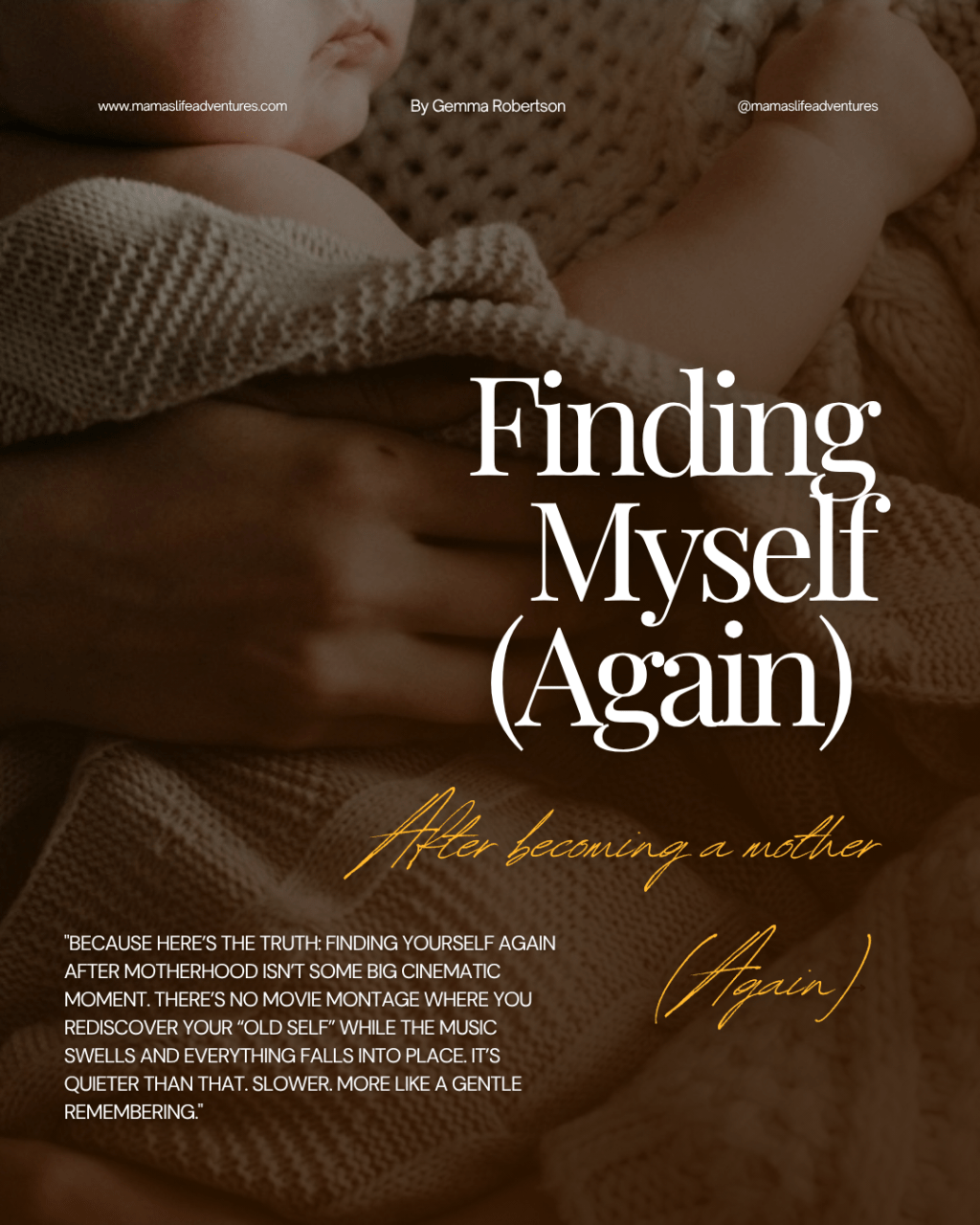
    Because here’s the truth: finding yourself again after motherhood isn’t some big cinematic moment. There’s no movie montage where you rediscover your “old self” while the music swells and everything falls into place. It’s quieter than that. Slower. More like a gentle remembering.

    For me, it started with movement. Nothing fancy — just slow walks outside, one foot in front of the other, usually with the baby strapped to my chest. Feeling the sunshine on my face, listening to the trees whisper in the wind… those tiny moments were breadcrumbs leading me home. Nature truly heals, tell me I’m wrong.

    Then came the baby steps (pun intended). Dusting off the yoga mat and stretching deeply in ways I couldn’t while pregnant. Being kind to myself. Drinking more water than I thought humanly possible and fuelling my body with real, nourishing food. Using snippets of time to do small things that spoke to my soul — a hot bath, a little home pamper, or a good old wardrobe clear-out. A reset.

    And then… I started to wake up.

    Probably because dancing to drum and bass in the kitchen at 7 a.m. shook something loose in my soul and reminded me I was not small — I was BIG. I remembered who I was: the chatterbox, the bouncy ball of weirdness, the loving, feels-too-much, loves-too-hard, wonderful human with a lust for life and everything in it. I was a mum, yes — not a regular mum, a cool mum (IYKYK), but I was also a human being, navigating life on this floating rock in space that we call Earth.

    And let’s talk about support — because having a partner who actually shows up makes a world of difference. I’m lucky enough to have someone who lets me be my messy, emotional, beautifully exhausted self without judgment. Letting me ugly cry for no reason and then passing me a plate of food is top tier relationship goals (just saying). Not everyone has that, and it breaks my heart that some mothers walk this road feeling alone — I did once.

    But I do believe finding someone — whether it’s a friend, a sibling, a parent, or another mum who just gets it — is essential. Someone you can rely on, who makes you feel seen, who reminds you that you’re still you beneath the motherhood.

    Because that’s the real magic of it all — realising you’re not trying to get “back” to who you were. You’re meeting a new version of yourself: softer yet stronger, stretched in every sense, but somehow more whole. Never apologise for who you are or who you are becoming. We change and grow with every season in life. If you resurface as a different you after becoming a mum, that’s ok! You might find a different you, a better you. Just as long as you feel comfortable and happy in your own skin, that’s all that matters. Stay true to yourself. It doesn’t have to make sense. None of it does. You just have to remember that every day is a new day and you’ll find yourself along the way. 

    So if you’re somewhere in that hazy fog, trying to remember who you are beneath the nappies, the sore body, the cold coffee, and the emotional rollercoaster that is motherhood — just know this: she’s still there. You’re still there. You’ll find her again — one home-cooked meal, one walk in the sunshine, one filthy drum and bass track, and one honest cry at a time.

    I got you girl 🫂💓