Author: Mamas life adventures

  • Go outside – Nature heals

    Go outside – Nature heals

    We aren’t wired to sit inside all day.

    As humans, we need sunlight on our skin, fresh air in our lungs, the rustle of trees and the sound of birdsong. These things aren’t luxuries—they’re essential.

    Time outdoors brings us back to ourselves. It grounds us, steadies our thoughts, and reminds us that we’re part of something bigger. Quite simply, nature helps us feel human again.

    Why the Outdoors Matters for Our Health

    Spending time outside doesn’t just feel good—it has real, measurable benefits for both our mental and physical wellbeing. Here’s why:

    Boosts mood and reduces stress – Exposure to natural light helps regulate our circadian rhythms and increases serotonin levels, which can improve mood and reduce anxiety. Even a short walk outdoors can lower cortisol (the stress hormone).

    Improves focus and mental clarity – Nature gives our overstimulated minds a break. Studies show that time in green spaces can improve concentration, creativity, and even memory—for both adults and children.

    Supports physical health
    Fresh air and movement go hand in hand. Whether it’s walking, climbing, or simply exploring, being outdoors encourages gentle exercise, supports heart health, and can improve sleep quality (meaning the little sleep that parents and children do get, is more restorative).

    Strengthens the immune system – Exposure to natural environments—especially woodland areas—has been linked to improved immune function, thanks to cleaner air and beneficial plant compounds. So there’s no harm in letting your little ones dig around in the mud collecting sticks and stones!

    There’s also something powerful about physically connecting with nature. Touching soil, trees, and plants isn’t just sensory—it can trigger real chemical responses in the body. Soil contains a natural microorganism called Mycobacterium vaccae, which research suggests can stimulate the release of serotonin, helping to lift mood and promote a sense of calm. Similarly, contact with plants and trees exposes us to natural oils and compounds—often called phytoncides—that have been linked to reduced stress levels and improved immune function. Even something as simple as walking barefoot on grass or running your hands through leaves can help regulate the nervous system, lowering stress and creating a feeling of balance.

    Living in the New Forest National Park, we’re incredibly lucky to have nature right on our doorstep. Long woodland walks, open skies, and winding trails are part of our everyday life. We spend hours wandering, noticing the seasons change, and letting the children explore freely. But I know that not everyone has access to forests or open countryside—and that’s okay. There are other ways to enjoy the outside no matter where you live.

    How to Bring the Outdoors to You

    Even if you live in a city or don’t have easy access to green spaces, there are simple ways to recreate those benefits wherever you are:

    Create a mini green space at home – Add plants to your home, balcony, or garden. Even a few pots of herbs or flowers can make a difference. Caring for plants can be calming and grounding in itself.

    Prioritise natural light – Open curtains, sit near windows, or take breaks outside during the day. Morning sunlight in particular helps regulate sleep and boost energy levels.

    Bring nature to your routine – Walk a different route to school, visit a local park, or spend time outside after dinner. Small, consistent moments outdoors add up.

    Engage your senses – Play nature sounds, light a natural candle, or use essential oils like pine or eucalyptus. It might sound simple, but sensory cues can help mimic the calming effects of being outdoors.

    Slow down and notice – Whether it’s watching clouds, listening to birds, or feeling the wind, take a few minutes to be present. Nature isn’t just a place—it’s a mindset we can access anywhere.

    Why the Outdoors is So Important for Children

    Children are naturally drawn to the outdoors—it’s where their curiosity thrives. Giving them time outside isn’t just beneficial, it’s vital for their development. Here’s why:

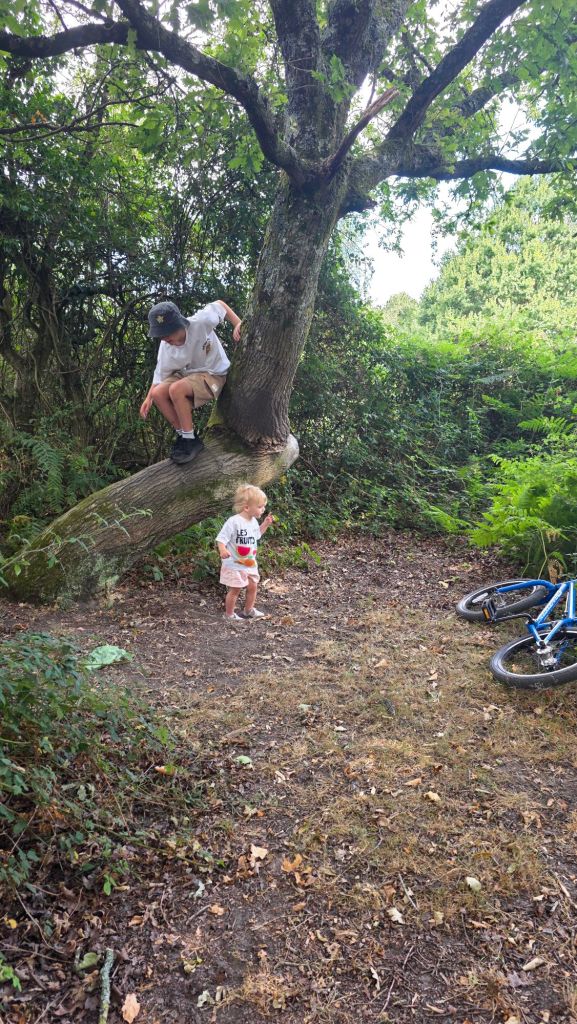
    Encourages imagination and creativity – Nature doesn’t come with instructions. A stick becomes a wand, a den, or a fishing rod. Outdoor play sparks creativity in ways screens simply can’t.

    Builds confidence and resilience – Climbing trees, navigating uneven ground, and exploring new spaces help children learn their limits, solve problems, and build independence.

    Supports emotional wellbeing
    Time outdoors can reduce anxiety, improve mood, and help children regulate their emotions. It offers space to breathe, move, and simply be.

    At its heart, spending time outdoors isn’t about grand adventures or picture-perfect days. It’s about small, meaningful moments—muddy boots, rosy cheeks, shared laughter, and quiet pauses under open skies.
    Wherever you are, there’s always a way to step a little closer to nature.

    And sometimes, that’s exactly what we need.

    Further Reading & Sources –

    Research has shown that a natural soil bacterium (Mycobacterium vaccae) may help boost serotonin levels and support mood regulation.
    (Lowry et al., 2007)

    Studies on “forest bathing” have found that trees release natural compounds (called phytoncides) which can reduce stress and support the immune system.
    (Li, 2010)

    Large reviews of multiple studies confirm that regular access to green space is associated with better physical and mental health.
    (Twohig-Bennett & Jones, 2018)

    Spending time in nature has been linked to reduced stress, lower anxiety, and improved mental wellbeing.

    (Bratman et al., 2015)

    Time outdoors can also improve focus, memory, and overall cognitive function.
    (Berman, Jonides & Kaplan, 2008)

    Even simply seeing natural environments has been shown to support healing and recovery.
    (Ulrich, 1984)

  • Screen free – Family time

    Screen free – Family time

    If you’ve ever sat in a restaurant, looked around, and noticed how many little faces are lit up by screens instead of conversation—you’re not alone. It’s become the norm, hasn’t it? And with the UK government recently introducing new guidance around children’s screen use, it’s clearly something many of us are thinking about. The advice suggests no screen time at all for children under two (aside from things like video calls), and limiting it to around an hour a day for those aged two to five. It also encourages families to avoid screens during meals and instead focus on interaction—talking, playing, and spending time together. And honestly, that part really resonates with me. Time spent at the table with my family is precious to me.

    We’re deep in the digital age. Our children are surrounded by screens whether we like it or not. At home, at school, and almost everywhere in between, as well as seeing adults glued to their phones. While technology has its place, it also has the potential to impact their mental health if we’re not mindful. We know how too much screen time affects us as adults so imagine what it’s doing to a young person’s brain!

    As someone born in 1990, I’ve watched technology evolve rapidly. But I was also lucky enough to grow up in a time when screens weren’t part of family gatherings, dinner tables, long journeys, or meals out. Some of my fondest memories are of meals out and holidays with my family—trying new foods, meeting new people, and just being part of the world around me.

    Me, my brother and mum 1996

    My mum used to say, “Use your manners, let’s pretend we’re eating at the Queen’s house.” My brother and I would sit up straight, pinkies raised as we sipped our drinks, fully committed to the idea that we were in royal company. It was simple, a bit silly—but it made those moments feel special, and they’ve stayed with me.

    My dad was always the one encouraging us to be brave with food—especially seafood. On holidays, he’d show us how to peel prawns or debone fish. Things that might make some children squirm somehow fascinated us. It turned meals into little adventures and made trying new things feel exciting rather than intimidating.

    Of course, it would be naïve to think we can eliminate screens from our children’s lives completely. The world is digital, and they need to be confident using technology. Screens can educate, inspire, and support learning—so rather than seeing them as a hindrance, it’s more helpful to think of them as tools. Tools we can pick up and put down with intention. Teaching children that balance is invaluable.

    But what we shouldn’t do is let devices replace human interaction. Let them experience the world—and see you experiencing it with them. Bring them along with you, share what you love, and show them the world through real experiences. Accept that things will look different with children in tow. Swap long, uninterrupted dinners for noise, laughter, mess, and the occasional meltdown.

    Dining Out Without Screens

    If you’re heading out for a meal with children, it helps to reset your expectations. A calm, uninterrupted dinner might not be realistic—and that’s okay.
    Restaurants are full of stimulation: new faces, sounds, lighting, music, and décor. It’s natural for children to want to explore. Let them. Follow their lead (safely), show them things, and embrace their curiosity.

    Here are a few things that help us when dining out as a family:

    Come prepared
    Pack small activities—toys, colouring, or fidget items. They’re great for keeping little hands busy while waiting for food.

    Choose your timing wisely
    Avoid booking too late, especially for evening meals. Tired children and long waits rarely mix well. Earlier sittings are often quieter and quicker.

    Make the table interactive
    Play simple games like “What can you see?” or “What can you smell?” Tailor it to your children’s ages—we have a one-year-old and a ten-year-old, so creativity is key!

    Let them explore
    With younger children, take a walk around. Let them get familiar with the space, say hello, and practise simple manners like smiling, waving, and saying “please” and “thank you.”

    Give older children responsibility
    Encourage them to read the menu, choose their meal, and even order it themselves. It builds confidence and independence.

    Share food
    Ordering picky bits or tapas-style dishes makes it easier for everyone to try new things. It also works well when meals are interrupted by the occasional wander.

    Take turns
    If there are two of you, swap roles—one engages with the children while the other gets a moment to sit and relax.
    Follow their energy
    Let them move, laugh, and explore. Children mirror your mood—if you’re stressed, they’ll feel it too.

    Pause and take it in
    Every now and then, sit back, sip your drink, and soak it all up. These are the moments they’ll remember. Be sure to cheers with your family too! Every outing should be celebrated.

    A Gentle Reminder

    It’s also important to remember that every family is different. It’s easy to look around and make quiet judgements when you see children with screens at the table or on outings—but the truth is, you don’t know their reasons or their circumstances. Focus on your own family, your own values, and what works for you. And be kind—to others and to yourself. The world needs more of that.

    When It Doesn’t Go to Plan

    Sometimes it won’t. There might be tears, tantrums, or food everywhere. You might find yourself crawling under the table, quietly cleaning up the aftermath. But that’s part of it.

    Consistency is key.

    Choosing to leave devices behind during family outings creates space for connection. The more you go screen free, the more it becomes the norm. Your children will look back on the moments you spent together and thank you.

    The Bit That Matters Most

    One day, these dinners won’t be noisy. There’ll be no crayons rolling off the table, no little voices asking a hundred questions, no tiny hands reaching for yours. And you won’t remember the meals where everything went perfectly—you’ll remember the ones filled with laughter, chaos, and connection. So leave the screens behind when you can. Be present. Let them explore, make a mess, ask questions, and be part of your world.
    Because that’s where the magic is.

  • Fascia & Burnout: Simple Resets

    Fascia & Burnout: Simple Resets

    We’ve all been there—running on empty after weeks (or months) of constantly being on the go. The mental load, the physical exhaustion, the never-ending to-do list. I’m feeling it now too—that quiet but persistent sense that burnout is just around the corner.


    When life gets busy, “making time for yourself” often feels unrealistic. And I’m not talking about squeezing in a gym session, ticking off appointments, or powering through the weekly food shop. I’m talking about something far more essential.
    I’m talking about giving yourself space to pause.


    Moments to reset your nervous system.


    Moments to let your mind soften.


    Moments to allow your body to fully relax and regenerate.


    This doesn’t require spa days or extra hours of sleep (though those are always a bonus when they happen). It’s about small, intentional practices—deep breathing, stillness, gentle awareness—that help your body come out of survival mode and return to balance.

    The Fascia


    Let’s talk about something we don’t often think about: fascia.
    What’s that, you ask?

    Fascia is a continuous web of connective tissue that runs throughout your entire body. It’s quite incredible—it wraps around your muscles, organs, bones, and nerves, holding everything in place while also allowing movement and flexibility.

    Think of it as both your body’s support system and its communication network. When you’re stressed, physically or emotionally—your fascia can tighten and become restricted. This can lead to stiffness, discomfort, fatigue, and that heavy, “worn down” feeling so many of us carry without even realising it. Many people can relate to this, and as a parent, exhaustion is certainly not a foreign concept.

    Fascia is also closely linked to your nervous system. When you’re stuck in a constant state of stress (fight or flight), your fascia reflects that tension. It becomes less elastic, less hydrated, and less able to support easeful movement and recovery.


    The good news? Fascia responds beautifully to slow, mindful practices. Gentle movement, deep breathing, and moments of stillness can help rehydrate and release this tissue, sending signals of safety back to your nervous system.

    In short—when you look after your fascia, you’re supporting your entire body to feel calmer, lighter, and more resilient.


    3 Steps to Reset


    When everything feels overwhelming, keep it simple. Resetting doesn’t have to be complicated or time-consuming. It’s something you can even practise with your children.


    1. Breathe with intention
    Take 2–3 minutes to slow your breath right down. Inhale through your nose for a count of four, then exhale slowly for a count of six. That longer exhale tells your nervous system that you’re safe, helping you shift out of stress mode.


    2. Create a moment of stillness
    This could be sitting quietly with a cup of tea, stepping outside for fresh air, or simply closing your eyes for a minute in the middle of the chaos. No phone, no distractions—just a pause.


    3. Gently move your body
    Slow stretches, rolling your shoulders, or even lying on the floor for a minute can help release tension held in the body. Think softness, not intensity.

    A Note on Somatic Movement


    One of the most supportive practices I’ve brought into my own routine is somatic movement—slow, intentional movement that helps you reconnect with your body and release stored tension.


    Each morning, while the coffee machine does its thing, I move. It doesn’t need to be complicated. I start with 100 jumps to wake up my body, followed by a few simple, intuitive movements and stretches. Nothing structured, nothing forced—just tuning in to what my body needs.


    It’s become a small but powerful reset. A way to shake off tension, support my fascia, and signal to my nervous system that I’m safe and grounded before the day begins.


    I’ll write a separate blog post diving deeper into somatic movement because, truly, it’s changed so much for me day to day and improved my overall wellbeing.

    How to Make Time Each Day to Prevent Burnout


    This is often the hardest part—finding the time when it already feels like there isn’t any. The key is to stop thinking of this as “extra” time. Instead, weave it into what you’re already doing:
    Take a few deep breaths before getting out of bed, pause for a moment of stillness while the kettle boils. Move your body while you make the kids breakfast. Dance your way out of the door on the school run. Step outside for fresh air, even if it’s just for a minute. It’s not about carving out big chunks of time. It’s about creating small pockets of awareness throughout your day. And just as importantly—give yourself permission.


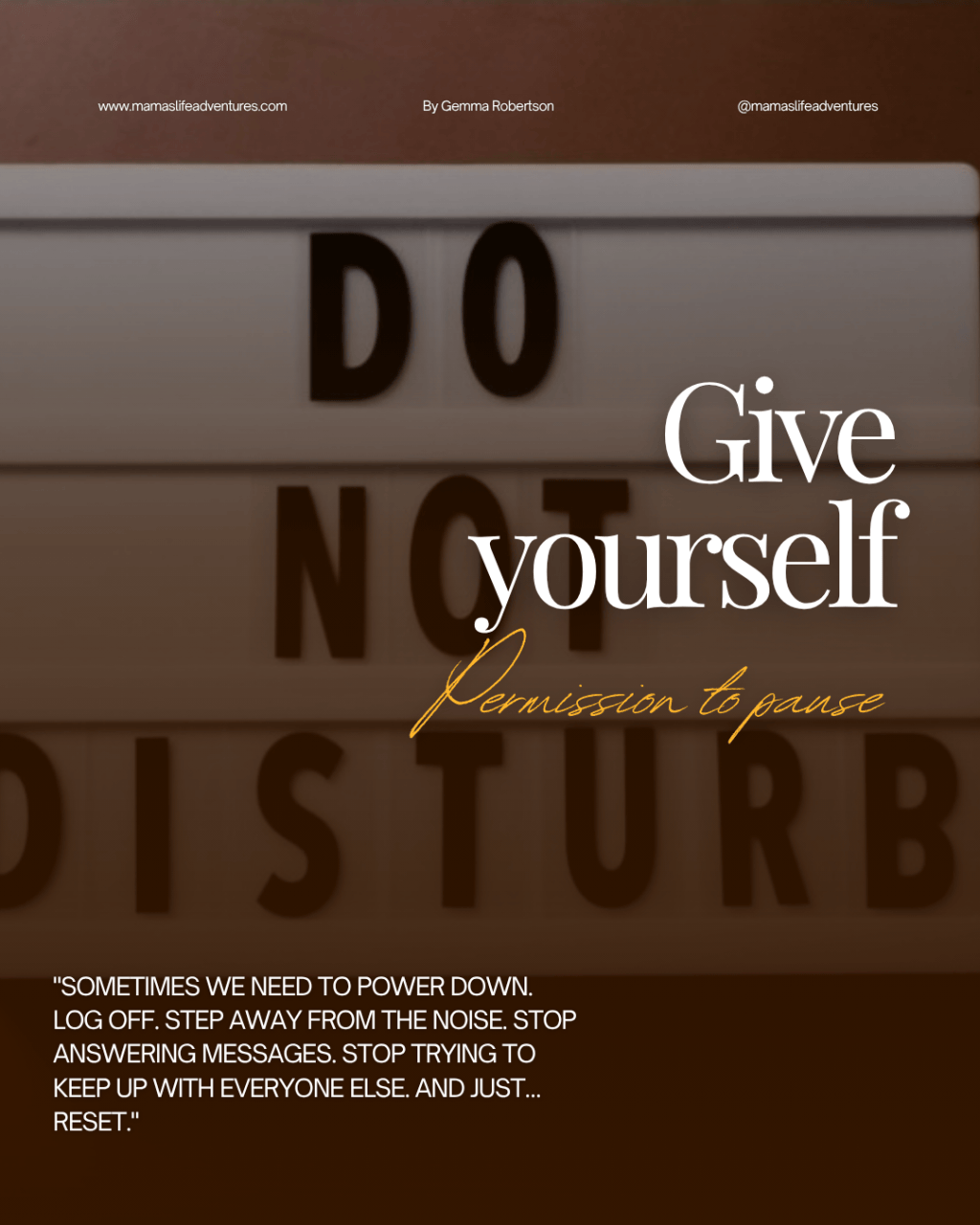
    Permission to pause.


    Permission to not be productive for a moment.


    Permission to look after yourself in a way that truly supports your nervous system.


    Because when you take even a few minutes to reset, you’re not taking away from your family—you’re showing up for them in a more grounded, present, and energised way.


    Burnout doesn’t happen overnight—and neither does recovery. But these small, consistent moments of care? They add up! And they matter more than you think.

  • Slowing Down This Easter

    Slowing Down This Easter

    The Easter holidays have arrived. No school runs for two weeks—hoorah!

    But does anyone else feel a little derailed by the change in pace? Suddenly, the diary begins to fill with trips here, there, and everywhere. Playdates roll in, and the “keep them entertained” activity list starts piling up along with the chocolate eggs!

    This year, I’m taking a different approach. A slower one.

    It’s rare that we get to enjoy slower mornings without needing to be up, ready, and out the door by 8am. I’m choosing to see this time as a break—a chance to rest and move at a gentler pace. Yes, I still have to work, exercise, plan meals, and keep the house in order, but there’s no rush.

    And actually, our children deserve this break too. A break from the school routine, from being hurried out the door, from structured learning. This is their time to take a breath and just be. To be at home with you. To watch, observe, and learn in a different way.

    I know I’m lucky to have work that fits flexibly around my family, and I’m aware that not everyone has that luxury. But here are a few small, simple things you can do during the school break to make it feel a little more special—most of them at no cost.

    A morning in bed
    Not the whole morning, but perhaps 30 minutes before you all get up. Let your children climb in, cuddle, and chat. No rushing—just being present.

    A special breakfast
    Something you wouldn’t usually have on a school day. Make it together—chop some fruit, scramble some eggs—and sit down to eat as a family. If time is tight, prep something the night before or wake slightly earlier. These are the moments they’ll remember.

    A walk a day
    Head out for a walk around your local area and see what you can discover together. Whether it’s short or long, it all makes a difference. Fresh air really is good for the soul.

    Plant some seeds
    It’s the perfect time of year to grow something together. Sunflowers are a great choice—plant one each and see whose grows the tallest!

    Let them choose
    Give them a few dinner options for the week and let them write the menu. Involve them in the process and let them help prepare the meals they’ve chosen. It builds independence and gives them a sense of purpose.

    Three facts a day
    Each evening, ask your children to share three facts about their day. We’ve done this for a while now—it’s often entertaining and gives you a glimpse into their world from their perspective.

    These are simple things, but they can make the holidays feel special—and you might even carry them into everyday life.

    It doesn’t have to be a schedule full of back-to-back activities that cost money and leave everyone feeling burnt out. Sometimes, the best thing we can do is slow down, step back, and breathe.

    I have a busy week ahead with work, family birthdays, and visitors—but I’m starting as I mean to go on: calm, present, and unrushed.


    And if everything doesn’t go to plan, that’s okay too. Some days will feel calm and connected, others might feel a little chaotic—and that’s all part of it. I’m reminding myself not to chase perfection, but to notice the small, quiet moments in between. The cuddles, the conversations, the slower pace. Because really, that’s what this time is about. Slowing down, soaking it in, and just being together.

  • Finding Your Flow — In Life and Motherhood

    Finding Your Flow — In Life and Motherhood

    For the longest time, I resisted the idea of a “routine.”

    The word itself felt heavy. Rigid. Restrictive. Like something that would box me in and drain the joy out of my days. I imagined a strict timeline from morning to night — a checklist that had to be completed perfectly or not at all. And so, without really realising it, I avoided it.

    Instead, I rolled through my days. Winging it. Reacting rather than planning. Some days felt fine, but many felt overwhelming — like I was constantly playing catch-up without ever quite getting there.

    But over time, my understanding of routine began to shift.

    I realised it isn’t about rigid schedules or perfectly timed days. It’s not about ticking off endless tasks. A routine, at its core, is simply a collection of small, familiar habits that create a sense of flow.

    And flow feels very different to pressure.

    Routine vs Flow

    When you think about your day, try to let go of timestamps.

    Instead, ask yourself:

    How do I want my day to feel?

    Routine doesn’t have to mean:

    Wake up at 6:00

    Breakfast at 7:15

    Laundry at 9:00

    It can simply mean:

    We wake, we ease into the morning

    We eat, we tidy, we move

    One thing leads gently into the next

    It’s less about structure and more about rhythm.

    A soft outline rather than a strict plan.

    Let It Bend

    Flexibility is where the magic happens.

    There will be days when things don’t go to plan — and that’s not failure, that’s life.

    I always come back to the 80/20 approach:

    Be consistent 80% of the time, and let the other 20% be for living.

    Go out for dinner with your children.

    Let bedtime run a little later.

    Let the washing wait some days — it will always be waiting for you, whether you like it or not.

    Skip the workout if the day feels full — your body will be okay, and if you’re consistent with your exercise overall, it will actually relish the rest.

    Those moments? They matter just as much.

    Because this isn’t about building a perfect life — it’s about building a real one.

    You Make the Rules

    It’s so easy to look around and feel like you’re not doing enough.

    Social media will show you perfectly curated routines, spotless homes, and endless productivity. But that’s not the full picture — and it’s certainly not the standard you need to hold yourself to.

    You don’t need perfection.

    You need something that works for you.

    So:

    Don’t compare

    Don’t overload your days

    Don’t chase unrealistic expectations

    Instead:

    Be kind to yourself

    Leave space to breathe

    Allow room for change

    Habits That Hold You

    It’s the small, repeated things that shape your days — not the big, occasional ones.

    Create habits that support you, not exhaust you.

    Keep a clean home, not an immaculate one.

    Move your body, but don’t push it to burnout.

    Drink enough water — your children are always watching.

    Sit down and eat together when you can.

    One day, the house will feel quieter.

    Bath and bed your children — but don’t rush through it.

    These are the moments that pass the quickest.

    And somewhere in the middle of it all, do something for yourself too.

    Even something small.

    Because you matter in this life as well.

    Live In Your Life

    It’s so easy to fall into the trap of living for the end of the to-do list.

    “I’ll relax when everything’s done.”

    “I’ll enjoy the day once I’ve caught up.”

    But the truth is — the list never really ends.

    There will always be more to do.

    So instead of living for the finish line, try living within it.

    Fold the laundry, but notice the quiet.

    Cook the dinner, but enjoy the chatter.

    Run the bath, but soak in the laughter.

    Your life isn’t waiting on the other side of productivity.

    It’s happening right now — in the middle of the ordinary, everyday things.

    Where it all lands

    Routine doesn’t have to feel like a cage. It can be something gentle, something supportive — a way to carry you through your days with more ease and less overwhelm.

    Find your rhythm. Let it evolve. Let it breathe.

    Because this life you’re living — the messy, beautiful, everyday of motherhood — isn’t something to rush through.

    It’s something to be in.

  • The Quiet Power of Choosing Yourself

    The Quiet Power of Choosing Yourself

    In recent months, there’s been a noticeable shift on social media. Women — especially mothers — are beginning to put themselves first.

    Not in a selfish way, but intentionally. They’re prioritising their wellbeing so they can show up as healthier, more present versions of themselves for their families.

    While no one can operate at 100% all the time, this move towards consistent self-care feels transformative. From solo coffee dates and regular exercise to proper rest and uninterrupted time alone, creating space outside the role of “mum” is finally becoming normalised.

    Because how can we show up well if we’re burnt out and running on empty?


    The Invisible Load


    Many women carry the mental load of family life — the invisible work of planning, organising and anticipating everything:


    The house
    The schedule
    School projects
    Payments
    Clubs
    Meals
    Laundry


    The list never ends. This constant responsibility leaves little room for the person carrying it — unless she intentionally creates that space. And while that isn’t always easy, it’s essential.


    The World Health Organization defines burnout as chronic stress that hasn’t been successfully managed. Motherhood may not be classified as an occupation, but its demands are undeniable. Without recovery, prolonged stress affects not just mood, but physical health, relationships and overall wellbeing.


    Self-Care Is Sustainable, Not Selfish


    Research by psychologist Kristin Neff shows that self-compassion leads to greater resilience, emotional balance and overall wellbeing. In short, caring for yourself doesn’t reduce your ability to care for others — it strengthens it.


    One account I particularly love following is a mum who shares this in action: @timewithoutmax

    She regularly takes herself on solo dates and shows how trying new things alone can be a genuinely enjoyable and empowering way to spend your time.


    There’s also a deeper benefit 

    New experiences support neuroplasticity, helping the brain form new connections and stay adaptable.


    What we’re seeing online 

    Women taking solo time, exercising, travelling, or simply sitting alone in a café — isn’t indulgence. It’s maintenance. A quiet reminder: I matter too.
    From Luxury to Necessity
    Self-care shouldn’t be something we squeeze in once everything else is done. What if it was scheduled as deliberately as the weekly shop?


    When it becomes routine, it stops feeling like a luxury and starts feeling essential.
    That might look like:


    A non-negotiable weekly walk or class
    A monthly morning to yourself
    A quarterly reset day
    A solo trip each year
    Even just twenty protected minutes daily

    The key difference? It goes in the calendar first. Because if we wait for spare time, it rarely comes.

    The Ripple Effect


    When children see a parent who values rest, sets boundaries, moves their body and protects their mental health, they learn to do the same. That’s powerful.
    And this shift isn’t just for women. More men are embracing conversations around mental health and rest too. When both parents prioritise wellbeing, the whole family benefits.


    The Quiet Power of Being Alone


    There’s something deeply freeing about time alone. A quiet coffee. A walk without distractions. A moment without demands.
    Doing something simply because you want to — not because it serves anyone else. Not everything needs to be shared or seen to matter. In fact, the most restorative moments often aren’t.


    Whether it’s a small weekly ritual, a monthly reset, or a yearly escape — make it count.
    Do it for you. Not because you’ve earned it. Not because everything else is done. But because you deserve care too.


    References
    Neff, K. (2011). Self-Compassion: The Proven Power of Being Kind to Yourself.
    World Health Organization (2019). Burn-out an “occupational phenomenon” (ICD-11).
    Daminger, A. (2019). The cognitive dimension of household labor. American Sociological Review.
    Poo, A. (2015). The Age of Dignity.
    If you want, I can also format this for Instagram carousel, email newsletter, or your website

  • Stepping Back Outside: Embracing the Slow Return of Spring

    Stepping Back Outside: Embracing the Slow Return of Spring

    It’s time to dust off the walking boots and get back outside. It’s been a long, wet and windy winter, and for some reason this year it felt harder than usual. Time spent inside can become taxing on your mental health, and when the weather doesn’t allow for outdoor adventures, the feeling of being cooped up can become overwhelming—especially when you have little people to entertain.


    The Gentle Shift Into Spring

    The remnants of winter are still very much present. The mud, the semi-naked trees, the cold nip in the air, and the unexpected rain showers haven’t quite left us yet. But day by day, the sun is creeping back in, bringing light with it. Flowers are beginning to bloom, blossom is blossoming, and the days are slowly stretching out.

    At the same time, there’s that growing urge to get the garden “summer ready” and refresh your wardrobe with something more weather-appropriate. Before you know it, the to-do list starts to spiral, and that sense of overwhelm creeps back in.
    Slow Down and Soak It In
    Coming out of hibernation shouldn’t be rushed. As humans, we need time to adapt to changes in our environment.


    Start small—let fresh air into your home. Take unrushed walks surrounded by nature. Connect to your breath and let the sun touch your skin. Allow yourself the time to truly absorb the changing season.


    When you get outside with your little ones, watch their faces as they take in the new sights and smells that spring is offering. Move, stretch, and listen to what your body needs. Your children are always watching and learning from you. One of the greatest things you can teach them is self-awareness and how to be kind to themselves.


    Finding Joy Close to Home


    Living in the New Forest National Park, we feel incredibly lucky to be able to wander straight into the forest and explore. There’s something so special about watching the woodland come back to life at this time of year.


    Here are a few simple things we like to do as a family to help shake off the winter blues:


    1. Start the Day with Sunlight
    We open the curtains first thing and watch the birds. Morning light helps regulate our circadian rhythm—our natural body clock—and sets the tone for the day ahead.


    2. Make Time for a Daily Walk
    Walking has so many benefits, but at this time of year it feels especially powerful. It lifts your mood, boosts energy levels, and gently eases you out of that winter slump.


    3. Prioritise Sleep
    We try to keep a regular bedtime and wake-up routine, which again supports our circadian rhythm and helps us feel more balanced. Of course, this isn’t always perfect (especially with a teething one-year-old), but consistency where we can manage it makes a big difference.


    A Season to Reconnect


    Spring isn’t something to rush into—it’s something to grow into. Let it unfold slowly, just as nature does. There’s no need to do everything at once. Open a window, take a walk, pause in the sunlight, and let yourself adjust.


    The garden can wait. The wardrobe can wait. What matters most is how you feel as you step back into the world again—grounded, present, and ready in your own time.

  • Becoming, Again and Again

    Becoming, Again and Again

    Life has been full lately—not the overwhelming kind that pulls you under, but the kind that reshapes you if you let it. I’ve been creating my own version of balance—something that fits around my family, rather than forcing us to fit around it. Part of that has been finding work that no longer competes with my life, but weaves into it—something that supports it, enhances it, and aligns with who I am becoming.

    Alongside that, I’ve carved out space for the quieter things—writing, reading, moving through yoga, and long-distance runs where my mind can wander, stretch, and gently settle. Amid it all, I pause… just to breathe, to notice, to appreciate how, quietly and steadily, things are beginning to fall into place.
    Time has introduced me to many versions of myself. Some I barely recognise now; others still feel close enough to touch. But I’ve learned to welcome each one with open arms. I’ve embraced the passions, the pace, and the particularities of every woman I’ve been. And now, as I shift into a new phase, I carry a deep gratitude for all those past selves—for guiding me here, to this exact moment that feels, in its own quiet way, like a turning point.


    Motherhood has softened me. It’s made me more mindful, more intentional. My children have a way of slowing everything down, of asking without words: What do you really want your world to look like? And when I listen, the answer feels simple. A world filled with kindness. With love. With nature. A world where stillness has a place, even in the whirlwind.


    Of course, motherhood isn’t always gentle. It’s movement, it’s noise, it’s unpredictability. But I’m learning to let connection guide me through the harder moments—to meet them with presence rather than resistance. To find small pockets of quiet amid the rush, instead of waiting for everything to settle before I can feel at ease.


    There’s something else shifting too. Meeting new people, stepping into unfamiliar situations—and stepping more fully into work that feels like an extension of my life rather than a separate part of it—I’ve begun doing it all with a more open mind. It’s brought a kind of lightness back into me. A quiet confidence. A youthful spark. The smallest changes, those seemingly insignificant steps, are beginning to gather momentum. And I can feel it—that those small shifts are becoming something bigger.


    The harder days still come, of course. But I meet them differently now. With softness. With patience. I’m learning to be kinder to myself in ways I never quite managed before. Not perfect—just gentler.


    The subtle shifts in my life have been pulling me to step away from social media, to create a little distance from the constant pull of devices. And yet, I return, sharing my life in small moments. It sits uneasily at times—I question it, I wonder if it’s too much. But deep down, I know it’s also my way of recording this journey. A way to one day look back and see this life laid out in moments. A timeline of growth. Of change. Of becoming.


    And maybe that’s something I can share with my children. Not a perfect story, but a real one. One that shows them all the different versions of me, so they know it’s okay to evolve. To experiment. To try on different lives until they find the one that feels like home.
    Because maybe that’s what this is all about—not arriving, but becoming. Again and again.

  • A pre Christmas break in the New Forest

    A pre Christmas break in the New Forest

    Ormonde House Hotel

    A Winter Escape at Ormonde House Hotel, Lyndhurst

    Highlights from our stay

    Tucked beside the gentle edges of the New Forest National Park, where wild ponies wander past and the trees seem to exhale calm, Ormonde House Hotel is the kind of place that immediately slows your pace. It’s close enough to Lyndhurst’s high street for convenience, yet close enough to the forest that you can be among the trees within minutes. It’s comfort and countryside side by side — exactly what you want from a short winter break.

    Our room for the night (room 6)

    From the moment we arrived, the atmosphere was warm and welcoming. All the staff were friendly, the service was fantastic, and as a family travelling with a baby, we instantly felt looked after. Our little Ivy had everything she needed, from a travel cot in the room to a highchair waiting at breakfast. It made our stay feel easy and stress-free — a huge win for any parent. She slept literally like a baby too, so we know she felt comfortable.

    Ivy loving the hotels Christmas tree

    Where the Forest Adventure Begins

    The New Forest spreads out from the hotel’s doorstep like an invitation. You can wander through ancient woodland, spot ponies at the roadside, or simply enjoy the fresh air as you stroll along quiet paths. Whether you’re an enthusiastic hiker, a casual walker, or a family looking for gentle outdoor adventures, this area has something for everyone.

    Sundays Hike

    Festive Forest Feels

    Visiting during the festive season adds an extra layer of charm.

    Ivy and Daddy enjoying the Christmas displays

    During our stay, we enjoyed the Christmas light switch-on in Lyndhurst. A couple of mulled wines and a firework display later, we headed to The Forage for a delicious wood-fired pizza and Ivy’s favourite – Spaghetti bolognese! The ideal comfort food for a winter evening and the staff were very attentive. Back at the hotel, we wrapped up the night with a hot drink and some quiet time — simple, cosy, and exactly what we needed before the busy Christmas rush. We even watch The Snowman in bed with Ivy and seeing her little face filled with excitement was precious.

    A Pre-Christmas Escape Worth Taking

    If December tends to feel frantic, this is the kind of escape that helps you reset. Mornings at Ormonde House start slowly, with spot-on coffee and a hearty breakfast to ease you into the day. Even with a baby in tow, everything felt calm and manageable.

    Photo credit – Ormonde House Hotel

    Afternoons can be spent exploring the forest, browsing local shops, or dipping in and out of festive events. Evenings are peaceful — relax with a drink in the hotel bar, a perfect chance to unwind before heading back into the whirlwind of the holidays.

    It’s a getaway that reminds you how important it is to pause, breathe, and reconnect — with nature, with each other, and with yourself.

    A Reason to Return

    After a relaxed wintery morning, I joined the winter launch of New Forest Hikes — a guided walk that now runs regularly from the hotel. Starting and ending right at the front door, it’s an ideal activity for anyone wanting to explore the forest more deeply.

    Sundays hike

    Our guide, Amy, was brilliant. She knows the New Forest so well and took us along routes we never would’ve found on our own. Her passion for the area — and her fascinating backstory — made the experience even more memorable. If you’re staying at the hotel when one of her hikes is running, I’d highly recommend joining.

    With the staff’s kindness, the hotel’s comfort, the AMAZING post hike cake and coffee and the surrounding forest’s charm, we left feeling refreshed and already talking about the next hike on the 14th of December.

    Stay Connected & Book Smart

    Call to book directly –
    📞 Ormonde House Hotel: 023 8028 2806

    If you’d like to keep up with upcoming forest events, future guided hikes, and latest offers, be sure to follow both New Forest Hikes and Ormonde House Hotel on Instagram. It’s the easiest way to stay in the loop — and to benefit from any exclusive offers available when booking directly through the hotel.

    The hotel are also running a Giveaway! Follow the link below to enter 👇

  • Why the New Forest National Park Is a Refreshing Retreat for Families

    Why the New Forest National Park Is a Refreshing Retreat for Families

    Have you visted the New Forest National Park?

    If your family is craving fresh air, open space, and a break from screens, the New Forest National Park delivers all of it—without needing a complicated itinerary. With ancient woodlands, wide-open heathlands, and its famously free-roaming ponies, it’s an easy place to breathe deeper and slow down.

    We’re lucky enough to live here and enjoy the national park every day. But I wanted to share a little insight with readers farther afield, so you can add the New Forest to your bucket list and hopefully love it as much as we do.

    Top 5 Reasons to Visit the New Forest

    1. The Free-Roaming Wildlife

    Ponies, donkeys, cattle, and even pigs wander freely through the forest and villages. They’re an iconic part of the landscape and a huge highlight for visitors of all ages.
    (Important: Admire them, photograph them, appreciate them—but don’t touch or feed them. They are genuinely wild animals and should stay that way.)

    2. Family-Friendly Cycling and Walking Routes

    Miles of flat, accessible trails make the New Forest great for young children, pushchairs, bikes, and even tired adults who didn’t realise “short walk” could mean 40 minutes (or 4 hours if you’re with me 🤣). The scenery changes often, keeping everyone engaged.

    3. A Calm, Unhurried Atmosphere

    Unlike many busy tourist hotspots, the New Forest has a gentle pace. Villages feel authentic rather than overly curated, and even popular areas have quiet corners. It’s ideal for families who want space without crowds.

    4. A Strong Sense of History and Identity

    Despite its name, the New Forest is almost a thousand years old. Established in 1079 by William the Conqueror as a royal hunting ground, it has evolved into one of the UK’s most treasured natural landscapes. That long history is woven into everything you see—ancient woodland, traditional commoning practices, and villages that still echo the past. You can feel it in the landscape and the way people and wildlife coexist. Sharing a few fun history facts as you explore can also make your visit more engaging and educational for kids.

    5. The Wellbeing Boost

    Being surrounded by nature has a real impact: reduced stress, improved mood, better sleep, and peaceful moments for the whole family. Children settle into the environment quickly, and adults benefit just as much. It’s a simple but powerful reset.

    Why the New Forest Works So Well for Families

    Families love the New Forest because it’s easy to enjoy without strict plans. There’s plenty of open space, safe paths, and endless opportunities to explore at your own pace. It offers variety without overwhelm and calm without boredom.

    How Nature Supports a Better Lifestyle

    Outdoor time naturally encourages slower thinking and calmer living. The forest has a way of quieting mental noise and grounding you in the moment—something many of us don’t experience enough in daily life. Whether you’re walking, cycling, or sitting beneath a tree, the shift in mindset is noticeable.

    A Relaxed Escape With Lasting Benefits

    The New Forest isn’t about flashy attractions. Its magic lies in its landscapes, wildlife, and the chance it gives families to reconnect with nature—and each other. Bring comfortable shoes, a sense of curiosity, and a willingness to slow down.

    The forest will take care of the rest. 🌲✨️

    Look out for my upcoming blog posts where I’ll be sharing my favourite places to visit and the best spots to stay within the New Forest National Park. Whether you’re planning a family adventure or simply need a peaceful break, there’s plenty more inspiration on the way!